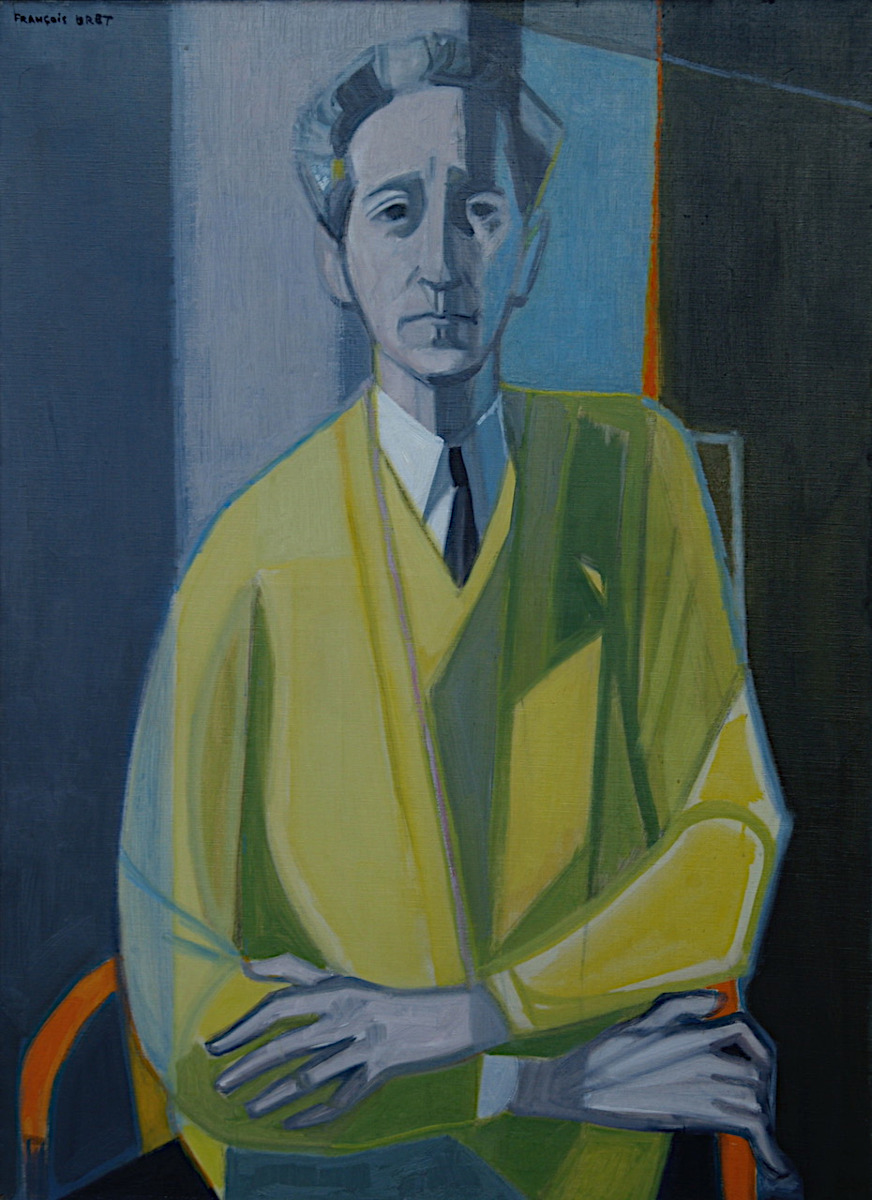

The ultimate master of multi-dimensional mirrors enters the spotlight this week as our Bohemian Star.
Jean Cocteau was a monumental French avant-garde polymath who left an indelible mark on twentieth-century art, literature, and cinema. Though his output spanned multiple disciplines, Cocteau insisted on simply calling himself a “poet.” He shaped novels, plays, films, drawings, and frescoes into interchangeable verses of the same endless poem. While others chased realism, Cocteau treated the physical world as a temporary interface for deep subconscious excavation. He weaponized mirrors, opium dreams, celebrity friendships, and pure stylistic swagger to dominate the cultural conversation of his era.
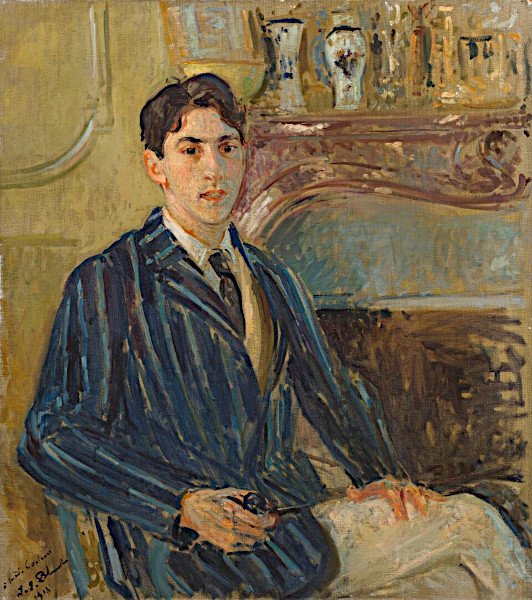
His lifelong command came from Sergei Diaghilev: Astonish me. He obeyed that order with ruthless elegance for decades and left an indelible mark on twentieth-century art, literature, and cinema. Cocteau understood that the physical world served as raw material for exploring the machinations of the subconscious. His father’s suicide when Jean was nine left a wound that never healed. He reached for myth, masks, and illusion to fill that void, turning personal loss and pain into universal enchantment. Style functioned as something more than decorative. It was its own form of power. Vanity became a suit of armor. He moved through bohemian Paris like an acrobat on a high wire strung between ancient myth and the machine age. He spent his entire career operating under a singular mandate and chose to treat the physical world as a temporary interface for deep exploration, demonstrating that the creative engine of art belongs to those who rewrite the cultural script.
Cinematic Alchemy, Mercury Mirrors, and Dream Engineering
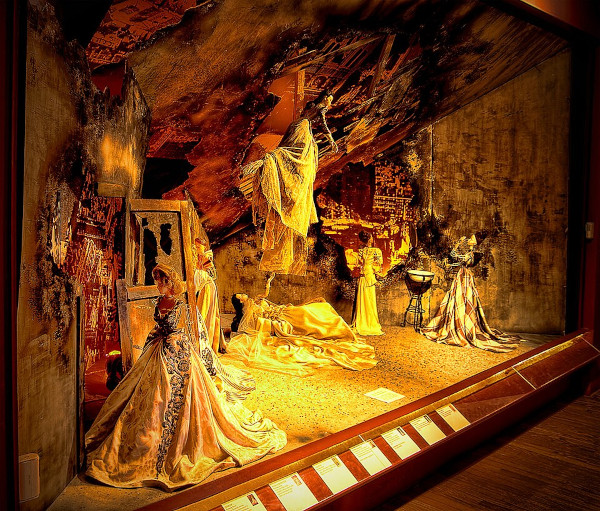
Cocteau’s true genius detonated in cinema. He turned low-budget practical magic into high art, dismissing Hollywood gloss in favor of handmade surrealism that felt tactile and alive. He actively rejected standard production styles and relied on practical camera tricks to create haunting dreamlike worlds. In La Belle et la Bête (1946), objects flew into hands because actors threw them and the film ran backward. Scenes gained an ethereal float when shot at 18 frames per second and projected at 24. Living statues blinked and breathed smoke. Human arms protruded from walls as functional candelabras. The castle itself pulsed with enchanted life. In Orphée (1950), the underworld waited behind mirrors. Cocteau explored mercury mirror techniques by building sets with pools of liquid mercury. Actors could plunge hands through their own reflections. This created a liquid threshold between life and death that shimmered with hypnotic realism. The mercury allowed genuine physical interaction with the mirror surface. It produced a visceral, otherworldly effect impossible with ordinary glass or optical tricks. The screen became the ultimate mirror reflecting the flesh and blood of dreams.
His Orphic Trilogy, which includes Le Sang d’un Poète (1930), Orphée, and Le Testament d’Orphée (1960), together with literary landmarks such as the adolescent fever dream Les Enfants Terribles (1929) and the mythic La Machine Infernale (1934), all chased the same territory: poetry, death, desire, and transformation. In theater he bridged ancient classical mythology with modern sensibilities through works such as Orphée (1926) and his adaptation of the Oedipus myth.
Cocteau exerted specific influence on modern cinema through his fusion of mythic storytelling, technical innovation, and dream logic. Directors from the French New Wave to contemporary fantasists drew on his boundary-blurring approach. His emphasis on poetry over plot, practical effects that serve emotion, and mirrors as portals between realities inspired filmmakers who treat cinema as a medium for psychological and philosophical exploration rather than straightforward narrative. Techniques such as reverse motion, altered frame rates, and living decor appear echoed in works that prize atmosphere and symbolism. He showed that cinema could function as poetry on celluloid and opened pathways for surreal and magical realist traditions in film.
Later in life, he shifted from the typewriter to the paintbrush, designing extensive graphic works. He created striking line drawings, ceramics, and large-scale public frescoes. His continuous-line drawings, fluid, mythic, and often homoerotic, evolved into massive frescoes. These include the swirling wedding chamber in Menton’s City Hall and the fisherman’s chapel in Villefranche-sur-Mer, where saints mingled with local sailors and gypsy caravans in a personal Mediterranean mythology. He created striking line drawings, ceramics, and large-scale public works that carried his poetic vision onto physical structures.
Jazz, Les Six, and Aesthetic Shock
Cocteau conscripted jazz as an intellectual weapon, an aesthetic philosophy, and a personal performance art. In his 1918 manifesto Le Coq et l’Arlequin, he declared war on misty Impressionism and bombastic Romanticism. Jazz supplied the cold shower the stale European tradition needed. He viewed the genre as a cleansing agent and praised the precise driving nature of syncopated rhythms. He argued that French artists should steal the raw energy and industrial pacing of jazz to construct a completely modernized and distinctively French style.
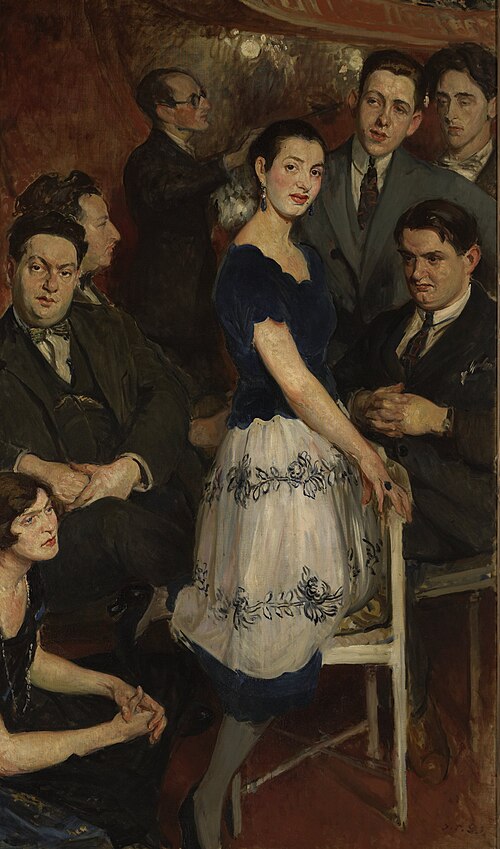
He forged deep ties with the composers known as Les Six. Cocteau acted as spokesman and collaborator for this group of young talents, including Darius Milhaud, Francis Poulenc, Arthur Honegger, Georges Auric, Louis Durey, and Germaine Tailleferre. He championed their rejection of heavy Germanic Romanticism in favor of clarity, wit, and contemporary energy. His scenarios and advocacy helped propel Les Six into prominence across Europe. Works such as the collective Les Mariés de la Tour Eiffel showcased their shared modernist spirit under his influence.
He became high priest of the scene at Le Bœuf sur le Toit. This legendary cabaret started as an extension of his circle and became the beating heart of 1920s Parisian modernism. There he sat in on drums, a gift from Coco Chanel. Observers called him the barman of noises as he shook the rhythm like cocktails. The club pulsed with American jazz bands, Les Six composers, Picasso, Chanel, and the full spectrum of glittering bohemia. It birthed the French expression faire un bœuf for a jam session. Cocteau taught himself percussion and turned jazz drumming into live performance art that matched the frantic speed of post-World War I urban life.
Collaborations such as the ballet Parade (1917, with Satie and Picasso) injected ragtime, typewriters, sirens, and pistol shots into high art. The ballet Le Bœuf sur le toit (1920) dropped the action into a Prohibition speakeasy. Dancers moved in deliberate slow motion against frantic rhythms. This delivered pure disorienting jazz nightlife translated to the stage. He bridged raw American syncopation and the high theater of the Ballets Russes.
Cocteau was one of the earliest French intellectuals to actively write about and promote what he called “American Negro orchestras.” Because he ran the most fashionable avant-garde circles in Paris and was highly vocal, he effectively branded himself as a cultural gatekeeper who discovered the genre for the French elite.
Modern music historians critique this relationship for its distinct racial and appropriative undertones. Critics note that Cocteau and his peers used Black jazz primarily as an aesthetic shock tactic to thumb their noses at the traditional, ponderous French academic music scene. Cocteau frequently fetishized the music, reducing its complex artistry to a primitive, savage, or purely mechanical novelty. Thanks to the efforts of local figures like pianist Jean Wiéner, the Billy Arnold Jazz Band was brought to Paris, fascinating Cocteau. While celebrating Black musicians at nightclubs, Cocteau simultaneously championed these white ensembles to adapt syncopated rhythms into a sanitized, voguish style tailored for white Parisian high society, believing the French avant-garde could perfect what the Americans had started.
The Man, The Muses, The Feuds, and the Controversy
Cocteau orbited giants and drew them into his orbit: Proust, Stravinsky, Chanel, Peggy Guggenheim. Picasso both fascinated and tormented him. Cocteau idolized Picasso as a master yet endured public mockery. Picasso once called him the tail of my comet. Cocteau tolerated the cruelty to remain in the elite creative circle.
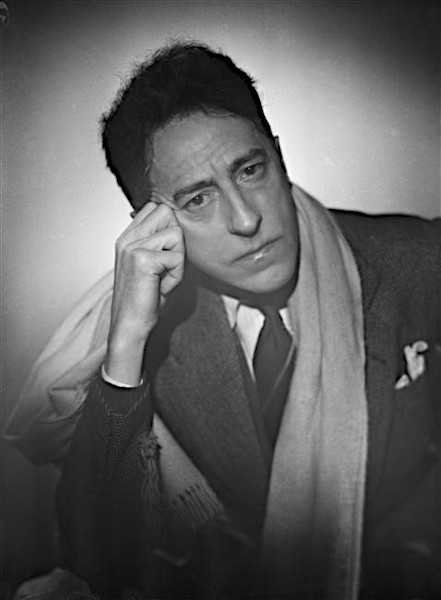
His position in the art world remained fiercely independent. While his works shared the dreamlike subconscious exploration of Dada and Surrealism, Cocteau faced severe friction from rigid Parisian groups. André Breton, the leader of the Surrealists, despised him and viewed him as a self-promoting bourgeois showman. Breton called Cocteau the most hateful being of the time. The Surrealists boycotted his work, distributed hostile pamphlets at premieres, interrupted performances with shouts, and once physically assaulted him at a theater. They saw him as too theatrical, too right-bank, and too associated with high society and classical references. The hostility carried homophobic undertones and lasted for years. Cocteau stayed defiantly independent and too slippery and stylish for any camp. He proved that true artistic sovereignty outlives the small feuds of temporary art movements.
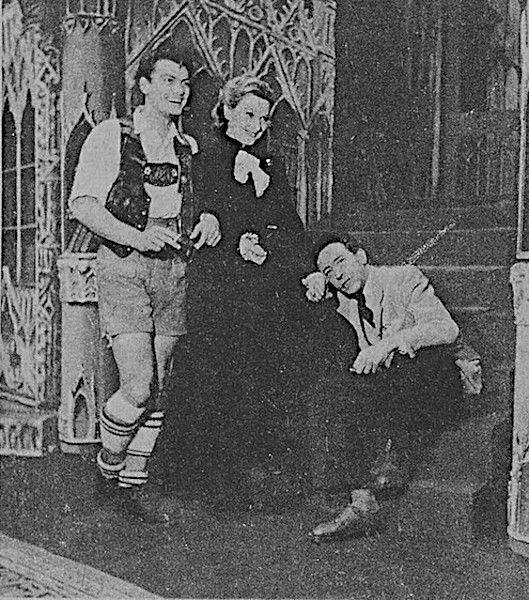
His personal life was equally mythic and generated its own share of controversy. Lifelong opium addiction appeared throughout his work and he documented the struggle extensively. Openly gay in an era when it remained socially precarious, he pursued several high-profile creative and romantic partnerships. His most notable muses included the tragic young author Raymond Radiguet, whose death from typhoid devastated him and inspired profound grief. He formed a deep, long-term relationship with the actor Jean Marais. Marais became his ideal face, leading man in many films, and companion. Their bond blended romance, collaboration, and mutual inspiration for years. According to entries in his published diaries, he also had an encounter with Marlon Brando. Cocteau lived as a walking riot who embraced love and liberty without apology. He once declared that he would not agree to be tolerated because it damaged his love of love and of liberty.
Late honors arrived: Légion d’Honneur in 1949, Académie Française in 1955, and roles such as Cannes Film Festival jury member. The bohemian core never softened. He died in 1963 of a heart attack, hours after learning of Edith Piaf’s death. The boat finally sank.
Don’t let the conversation stop here. We’re tearing down the walls and continuing the debate over on Blue Sky – @thebohemianstar.com. If you’re still lingering in the old spaces, you can also join our private inner circle over at The Bohemian Star Salon on Facebook to talk rock mythology, occult history, and alternative realities with the rest of the crew.
Discover more from The Bohemian Star
Subscribe to get the latest posts sent to your email.