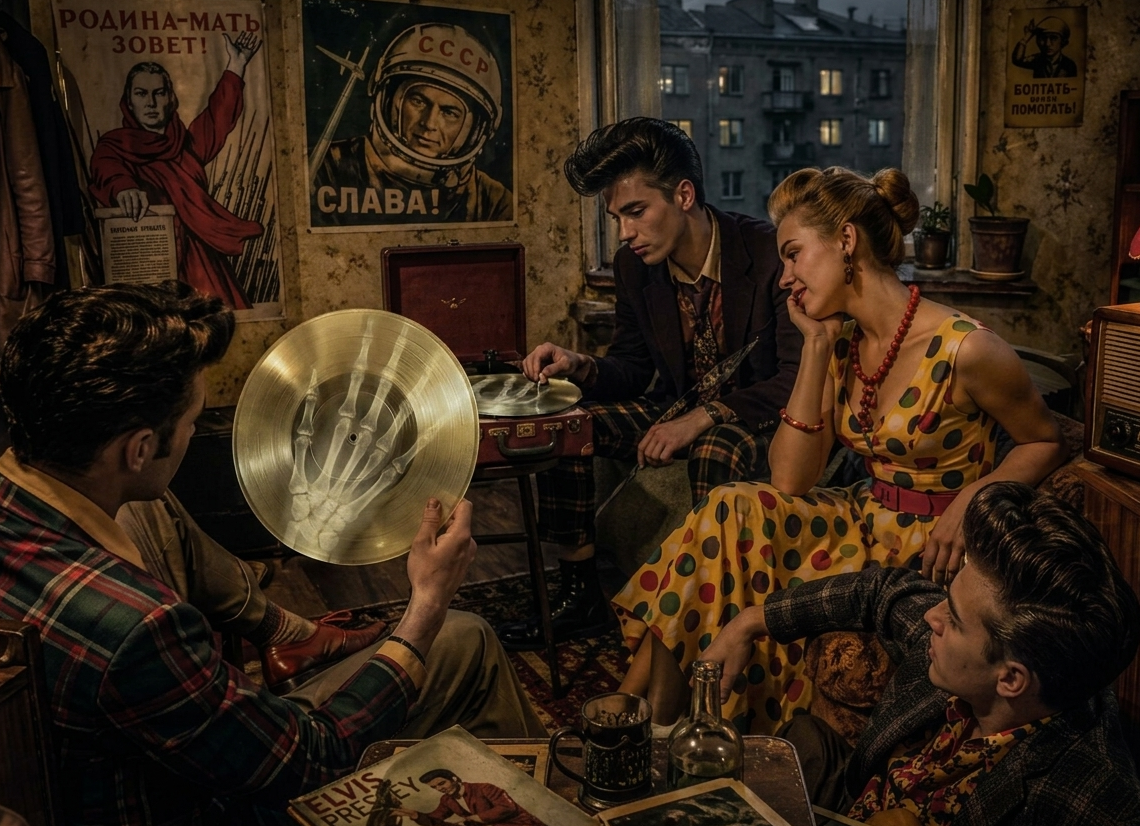
The Skeleton’s Groove: The Secret Soundtrack of the Cold War

Totalitarian regimes mistakenly assume that cordoning off the physical world can contain the human spirit. The Soviet regime could ration bread, censor newspapers, or build concrete walls, but it couldn't crush the need to dance. While politicians traded threats of annihilation, a visceral mutiny answered them on the airwaves. Dropping a needle onto a forbidden groove became a radical assertion of liberty.

0 Comments

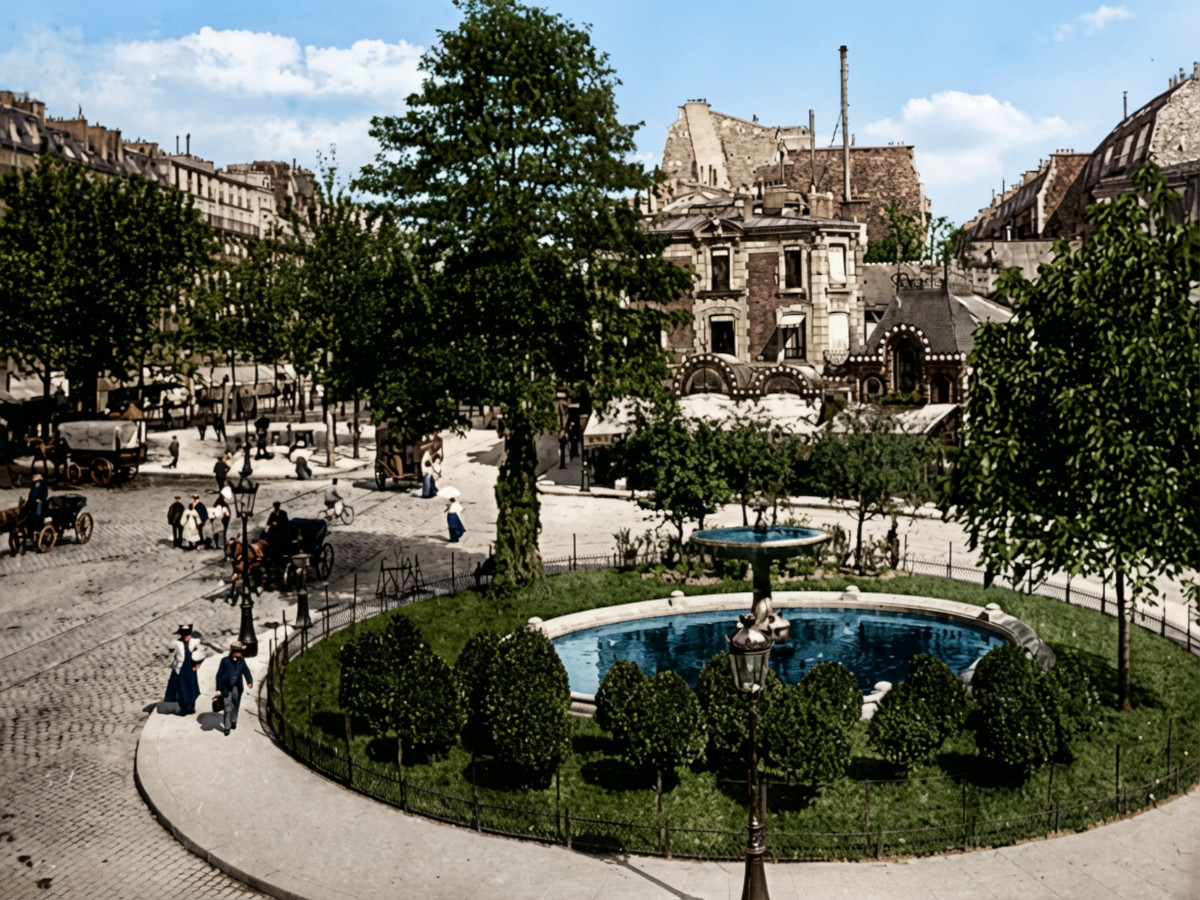
The House at Place Pigalle

A building once stood at 1 Place Pigalle whose history mirrors the restless evolution of the neighborhood itself. It passed from atelier to spectacle: transformed into the themed restaurant l’Abbaye de Thélème (a knowing nod to François Rabelais and his rule “Fay ce que vouldras” – Do what thou wilt). During the First World War it served as a meeting place for the French League for Women’s Rights and hosted charity sales for soldiers. In the years that followed, it emerged as a vital hub for the Black American jazz community in Paris, before shifting again under the German Occupation into the circus-themed nightclub Le Chapiteau. In its final incarnation, it became the exotic striptease venue Les Naturistes. Along the way, it bore several other names—Restaurant Albert, La Noce, Chez O’dett, Le Coup de Patte—each reflecting a different moment in the building’s life as well as the city around it.

Comments Off on The House at Place Pigalle

The Prophets of Montmartre

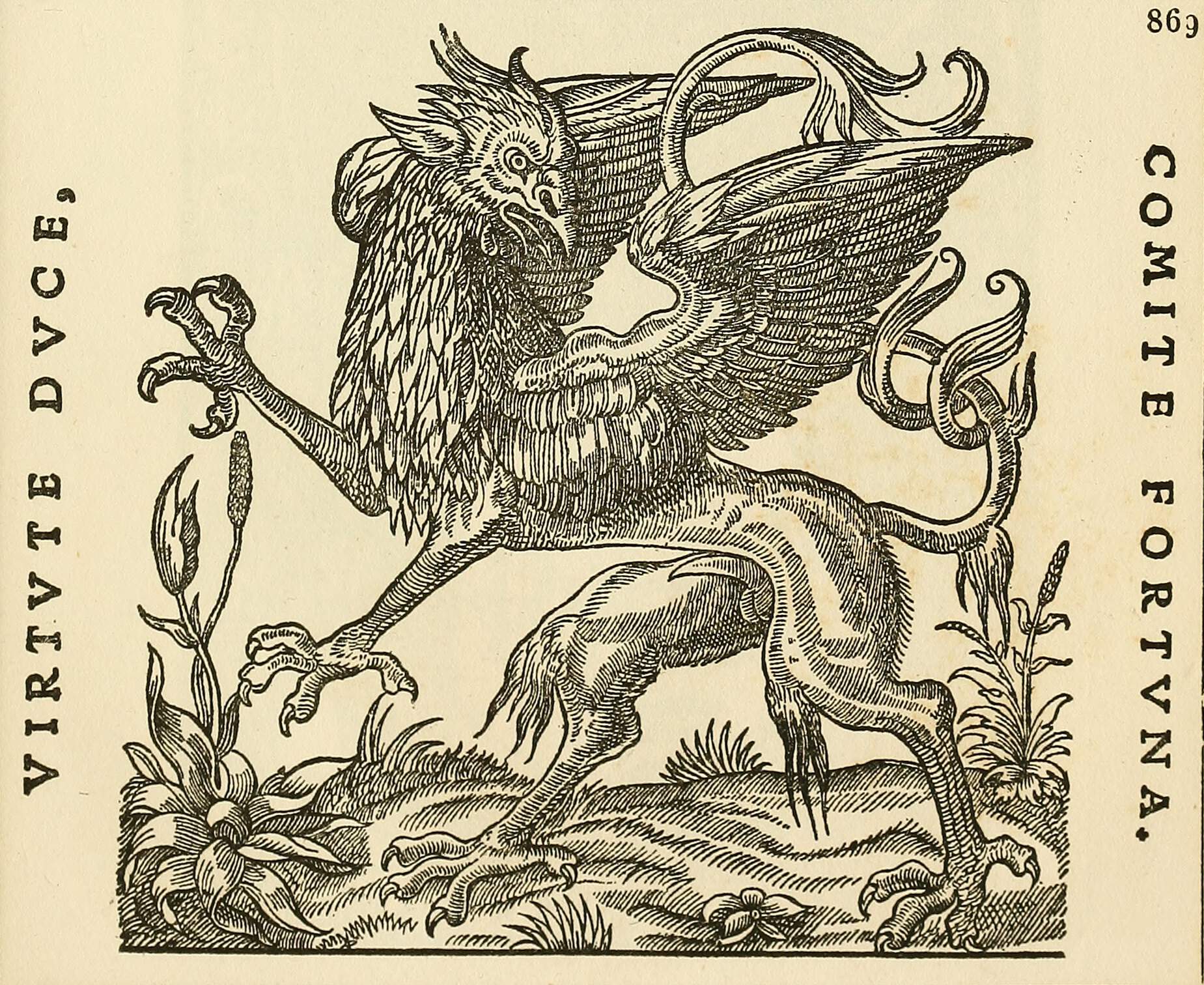
Montmartre stands above Paris as a place where myth, blood, and vision converge. Once sacred ground, later a crucible of revolution and bohemian life, it became the stage for Les Nabis—artists who rejected imitation in favor of color, symbol, and inner meaning. Their work marked a turning point, where art no longer reflected the world, but reimagined it.

Comments Off on The Prophets of Montmartre