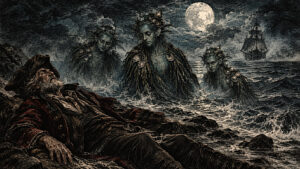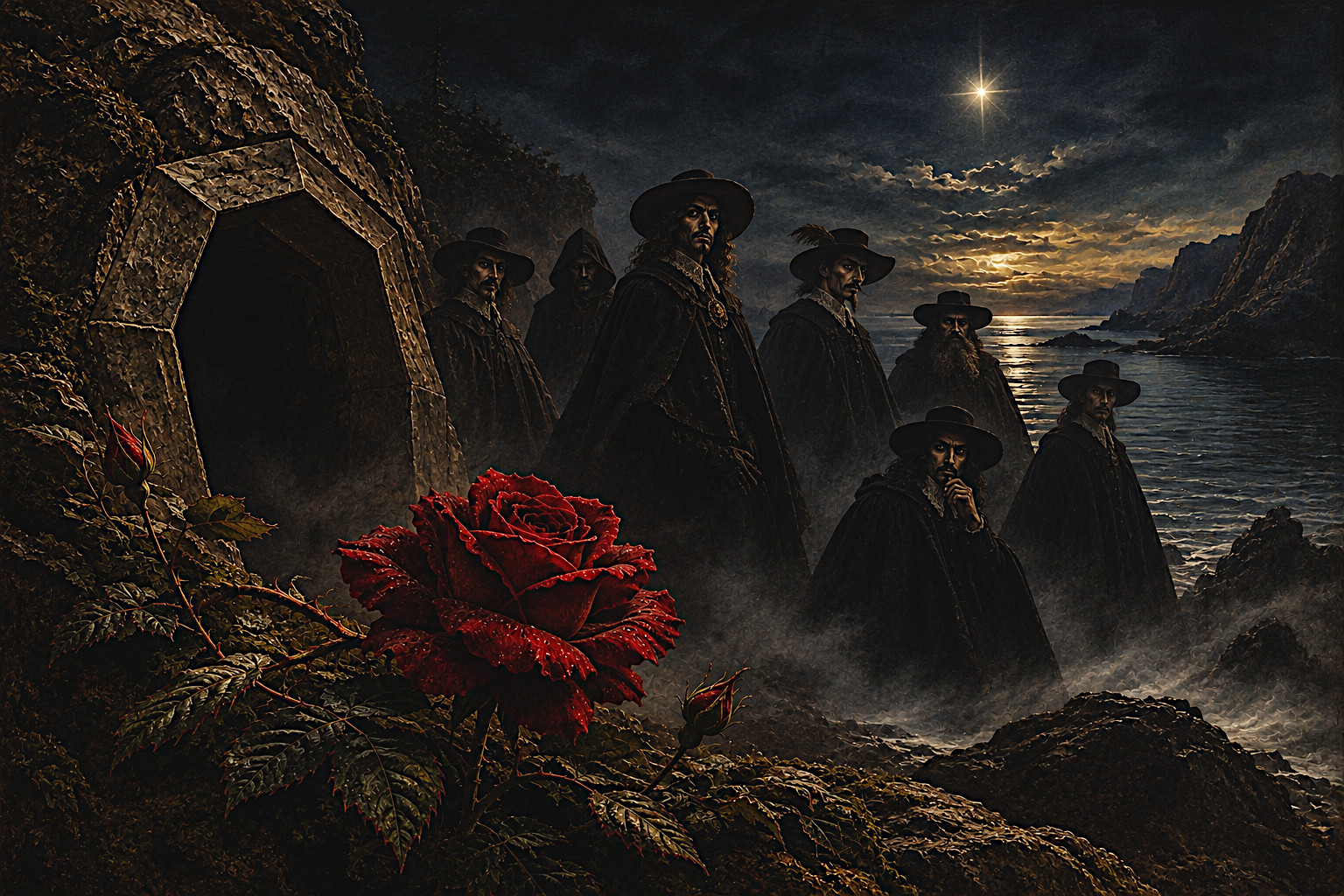

Few songs in the Blue Öyster Cult catalog announce themselves with the outrageousness of “7 Screaming Diz-Busters.” Its title carries a distinctly coarse punch, and the song takes considerable pleasure in its own lasciviousness. Beneath that unruly exterior, however, Sandy Pearlman’s lyrics introduce a more mysterious collection of images: seven disturbing figures, a rose, a hidden place, and the recurring invocation of Lucifer as light. These details open a curious passage into the occult atmosphere of the Imaginos saga. The song invites us to look beyond its comic obscenity and follow the trail of symbols, historical associations, and concealed identities running through its verses.
One of the deeper currents running through these images concerns the relationship between death and generation. The ancient Egyptian myth of Osiris offers a compelling point of departure. Slain and dismembered, Osiris is restored to generative power through Isis, and their union brings forth Horus, carrying the ancestral line into a new generation. Death becomes a passage through which life continues. This cycle ultimately brings us toward a central tension within the Soft Doctrine: creation and destruction participate in the continual transformation of existence. The seven figures at the heart of Pearlman’s song invite us to consider the hidden powers through which existence is shaped, sustained, and eventually dissolved.
The Sexual Mystery: The Diz and the Duster
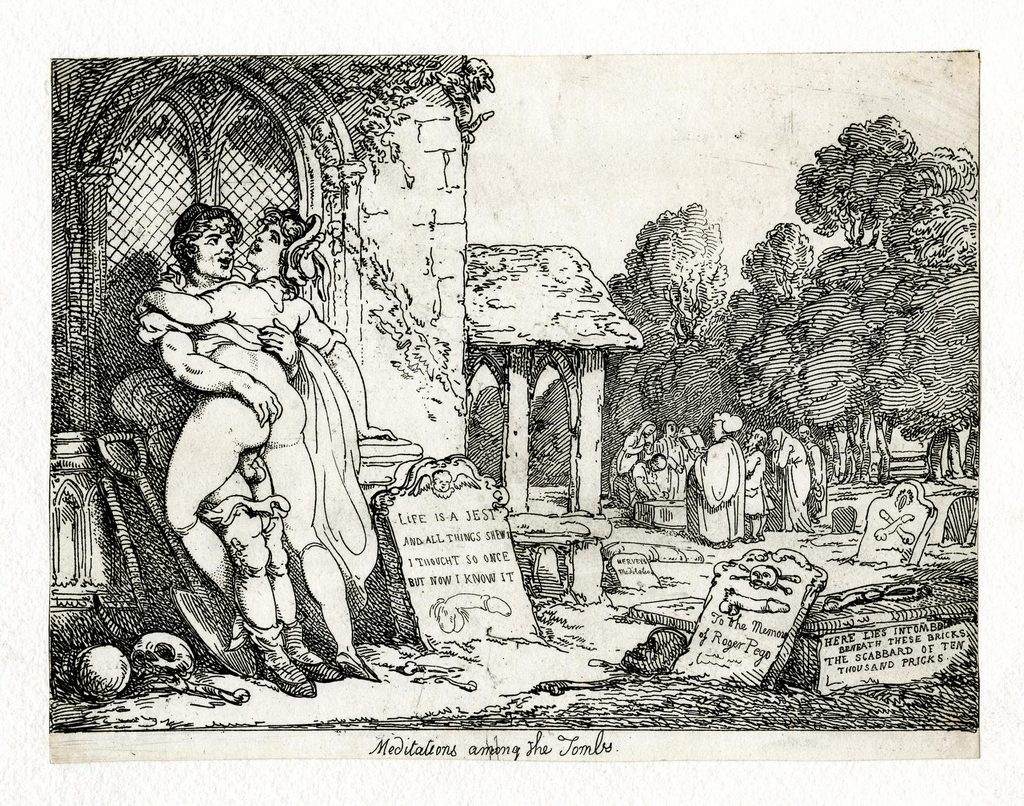
The salacious language of “7 Screaming Diz-Busters” is verified in the recollections of the musicians themselves. Eric Bloom explained that a “diz” refers to the groove at the top of the penis, an expression Sandy Pearlman and Richard Meltzer developed as an inside joke. Albert Bouchard, meanwhile, has described “duster’s dust” as an obscure euphemism for semen. These explanations establish the song’s sexual vocabulary and give us a starting point for exploring the generative imagery woven through Pearlman’s lyrics.
The correspondence between semen and dust opens onto a much older symbolic tradition. In the biblical account of Genesis, humanity is formed from the dust of the earth, with life entering the created body through divine breath. Dust thus carries an identification with both the material substance of creation and the condition of mortality. Read alongside Bouchard’s explanation, “duster’s dust” brings these ideas together through a sexual image: the fine substance of generation becomes a vehicle for the continuation of life. The botanical parallel is worth keeping in mind as well. Pollen, the fine dust produced by flowers, carries the reproductive material through which plant life is renewed. We will return to that connection when we consider the rose.
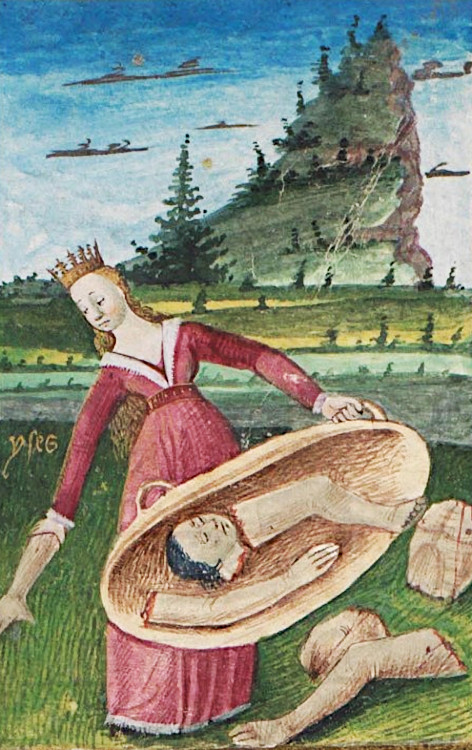
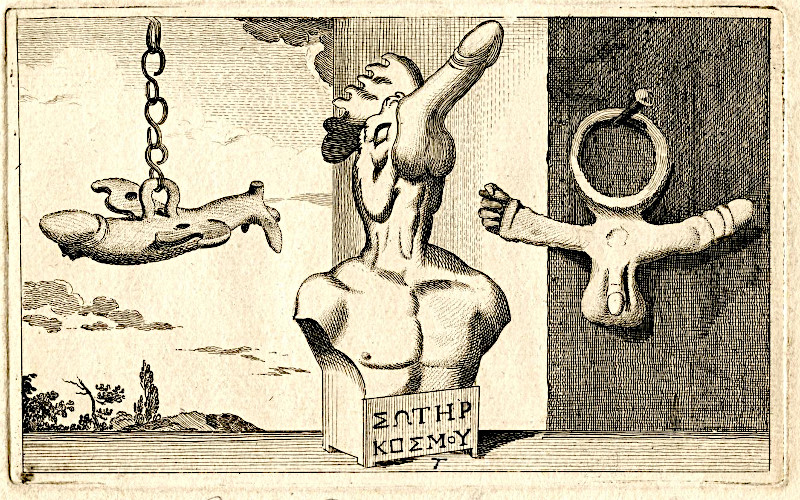
The sexual imagery similarly brings us back to Osiris. In one strand of the Egyptian myth, Isis searches for the dismembered body of her husband and discovers that his phallus has been lost. She fashions a substitute, allowing the generative union through which Horus is conceived. The episode places sexual generation at the heart of the god’s restoration. Osiris’s death becomes part of the process through which his power continues, and the birth of Horus carries that power into another generation. In this context, the song’s racy language can be read as participating in a much larger mystery: the relationship between sexual potency, death, and the renewal of life.
The Mysteries in Plain Sight
Throughout literary history, writers have used obscenity, humor, and verbal ambiguity to conceal serious ideas within seemingly irreverent language. Aristophanes and Rabelais made crude comedy a vehicle for social and philosophical observation, while James Joyce developed elaborate systems of wordplay in which sexual, religious, historical, and mythological associations could operate simultaneously. Aleister Crowley’s The Book of Lies, as well as his deliberately provocative Psalms, offer other examples of sacred and profane language intertwined. In such writing, the apparent joke can become an invitation to look more closely.
Pearlman’s lyrics invite a similar kind of attention. Their sexual humor, unusual expressions, and densely layered imagery allow several interpretations to coexist. A phrase can function as an obscene joke while simultaneously carrying mythological, spiritual, or cosmological significance. I explored a related technique in “The Chariot’s Journey: Pattern, Will, and the Soul”, where seemingly taboo language conceals a more elaborate symbolic structure. “7 Screaming Diz-Busters” rewards the same willingness to follow an image beyond its most immediate meaning.
The Ancestors and the Return to the Lwa
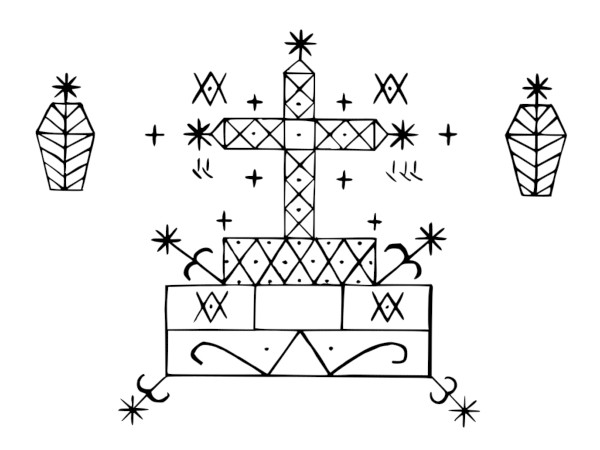
An especially important connection emerges when we consider the relationship between these characters and the ancestral order described in Maya Deren’s Divine Horsemen: The Living Gods of Haiti. Deren’s account of Haitian Vodou presents human identity as involving several interrelated spiritual components. Among these is the gros bon ange, the individual’s spiritual double and repository of personal identity, memory, experience, and life history. Another important element is the mèt tèt, literally the Master of the Head, the Lwa associated with and governing an individual’s spiritual identity. These elements establish a relationship between human existence and the divine powers that participate in its formation.
Deren describes a funerary ceremony called the dessounin, through which the spiritual components of the deceased are released from their former bodily existence. The ceremony separates the gros bon ange from the Lwa mèt tèt, allowing them to pursue separate courses. Deren identifies the gros bon anges of the deceased with the Les Invisibles, the spirits of those who have passed away. Their relationship to the living continues through the ancestral inheritance they carry, which can become part of the spiritual heritage of their descendants.
Deren details a further transformation through which the deceased is reclaimed into the world of the living as an ancestor. As personal memories gradually recede, the individual becomes increasingly associated with the enduring principles represented by ancestral tradition. In time, Deren suggests, the ancestor can become an archetype. A particularly distinguished ancestor may even be assimilated into the identity of a major Lwa, or become a divine figure within a family of Lwa. The individual life thus enters a continuing spiritual process, contributing to an inheritance that reaches beyond the boundaries of a single generation.
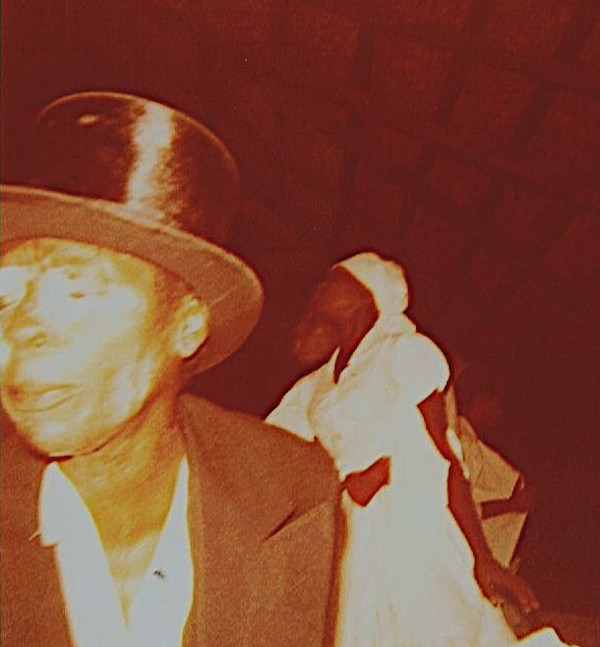
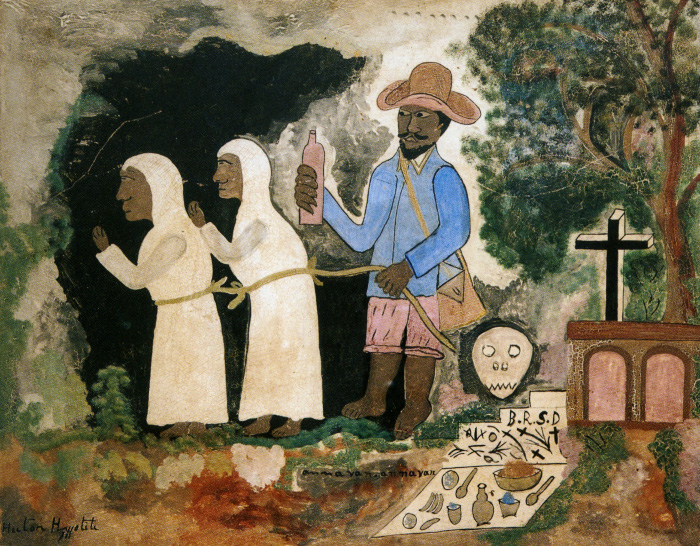
This account offers an especially revealing context for the Soft Doctrine. Sandy Pearlman explicitly described the Les Invisibles as an image of the Lwa. His formulation brings together two aspects of the spiritual order that Deren examines separately: the spirits of the dead and the divine powers with whom ancestral identity is eventually associated. Within the Soft Doctrine, the Les Invisibles are connected with destructive forces reaching into the fabric of existence. Their relationship to the Ancestors and the Lwa suggests a more complex role, in which death, ancestral continuity, and the powers governing manifestation participate in a shared spiritual order.
This brings us back to Osiris and the generative mystery running through “7 Screaming Diz-Busters.” The slain god’s dismemberment, restoration, and continued generative power offer a mythological parallel to the passage from individual existence into ancestral continuity. His death becomes part of the process through which his power is renewed and transmitted. The seven entities may embody or express these hidden spiritual powers within the material world. Their destructive character invites comparison with the Demiurge, the cosmic architect associated in certain esoteric traditions with the formation and governance of the material world. Such a comparison raises a provocative possibility: the powers that shape existence additionally govern its limitations, decay, and eventual dissolution. Creation and destruction are inseparable operations of the same cosmic authority.
Lucifer, Venus, and the Star of Isis.
On each and all those holy nights
When duster’s dust becomes for sale
And Lucifer the light
The recurring invocation of Lucifer as light opens another important avenue into the song’s symbolism. The Latin name Lucifer means “light-bringer” and was traditionally used for the morning star, the planet Venus as it appears before sunrise. Its connection to Satan developed through the Christian interpretation of Isaiah’s description of a fallen morning star, eventually making Lucifer one of the familiar names of the rebellious angel cast from heaven. Pearlman’s invocation carries two overlapping lineages: the astronomical image of Venus rising before the Sun and the later religious figure linked with rebellion, opposition, and the powers of darkness. The phrase “Lucifer the light” brings these disparate contexts into direct contact, presenting light as something with an unsettling and potentially ambiguous character.
The relationship between Venus and Isis offers another historical parallel. In the Greco-Roman world, Isis became syncretized with Aphrodite and Venus through the blending of religious traditions. Their shared attributes of fertility, love, and generative power helped bring the goddesses into correspondence. There is concurrently an older Egyptian astronomical connection worth considering. Egyptian planetary traditions linked the morning star with Horus, the son of Isis and Osiris. Venus thus enters the song’s symbolic field through several related paths: as Lucifer, the light-bringer; as a celestial body tied to the goddess of fertility; and through Horus, whose birth represents the renewal of Osiris’s generative power.
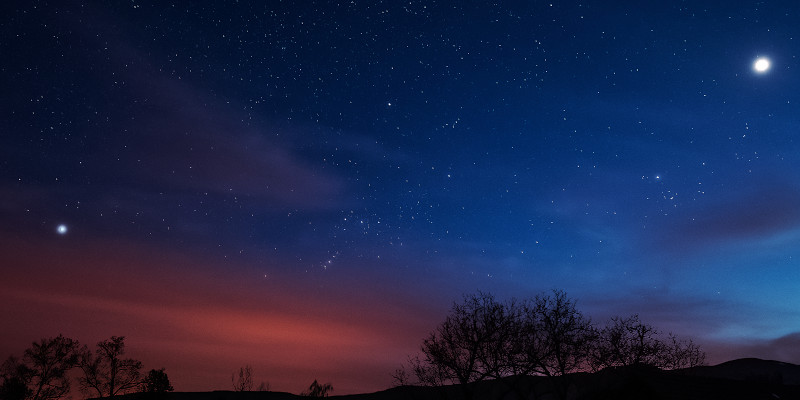
The star most directly associated with Isis in ancient Egyptian religion, however, is Sirius. In On Isis and Osiris, Plutarch explains that Sirius, known to the Greeks as the Dog Star, was considered proper to Isis because its appearance heralded the annual inundation of the Nile. He describes the Nile as the effusion of Osiris and the earth as the body of Isis, receiving the river’s waters and producing Horus. The imagery brings together celestial observation, seasonal renewal, sexual generation, and the fertility of the land. Water enters the earth as a generative force, and the resulting abundance carries the life of the slain god into the next generation.
This passage invites us to return to the song’s recurring reference to “duster’s dust.” If that expression carries the sexual connotation identified by Albert Bouchard, the imagery of Isis receiving the Nile offers another possible interpretation. Water suggests the life-bearing fluid that awakens the generative potential of the earth, while dust evokes the material substance awaiting renewal. The resonance reaches back to the song’s sexual humor and forward to the rose, whose pollen carries the reproductive substance of flowering plants. These connections allow the song’s imagery to move between human, botanical, and cosmic generation.
Plutarch offers another striking passage in section 52 of On Isis and Osiris. He describes a ceremony performed around the winter solstice in which a sacred cow, representing Isis, was led seven times around the temple of the Sun. The rite was called the “Seeking for Osiris.” Plutarch explains that the goddess yearns for water during this season, and that the seven circuits correspond to the Sun’s journey from the winter solstice toward the summer tropic. The passage brings together Isis, Osiris, the Sun, water, and the number seven in a seasonal ceremony of searching and renewal.
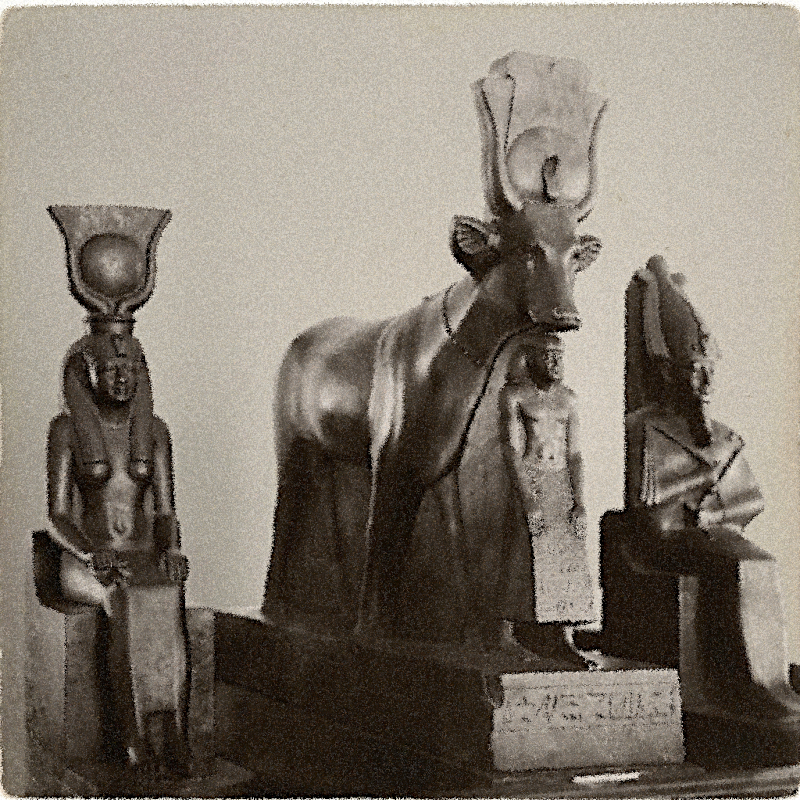
The song’s references to “holy nights” and the changing lengths of daylight and darkness invite us to consider the turning points of the solar year. The two solstices and two equinoxes offer four possible seasonal markers around which sacred observances might be organized. Whether Pearlman’s phrase refers to these particular occasions remains an open question, but the seasonal imagery is suggestive. Plutarch’s account gives us an ancient example of a sevenfold rite associated with Isis, Osiris, and the winter solstice. In that context, these characters in Pearlman’s song can be seen to evoke a larger pattern of celestial and seasonal powers.
The invocation of Lucifer as light now carries several possible meanings at once. Venus appears as the morning star; Isis is connected with the fertility of the earth and the rising of Sirius; Horus represents the renewal of Osiris’s generative power; and the winter-solstice ceremony brings the number seven into the same sacred context. These thematic layers deepen the song’s relationship between celestial order, death, and generation. This convergence brings us closer to the significance of the rose, whose beauty conceals another form of generative mystery.
Behind the Rose: The Secret Place
Bury me near the secret cove
So they’ll not know the way
Bury me round behind the rose
So they’ll not rile my grave
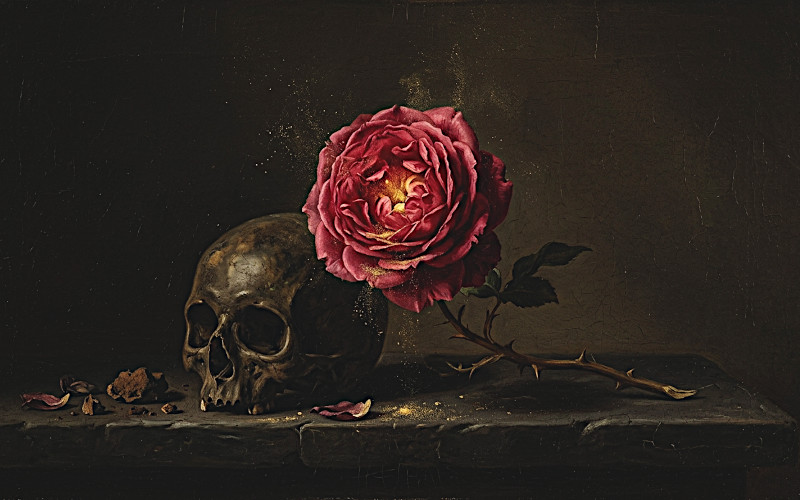
The rose is among the most enduring symbols in Western literature and esoteric tradition. It can represent beauty, love, fertility, secrecy, and the transience of life. Its flowering suggests the fullness of life, while its eventual decay recalls mortality. The rose’s layered petals and concealed center make it a natural image of something hidden within something beautiful. In “7 Screaming Diz-Busters,” the repeated instruction to bury the speaker behind the rose invites us to consider what this particular flower might conceal.
The rose can be approached as an image of the generative matrix itself. In the context of the song’s sexual vocabulary, its layered petals and enclosed center invite an interpretation as a symbol of the vulva, a concealed place of fertility and creation. The association with “duster’s dust” introduces an additional botanical possibility. Pollen, the fine dust produced by flowers, carries the reproductive material through which plants are fertilized. It offers a natural parallel to semen, connecting human and botanical generation through the imagery of a fine, life-bearing substance. The duster’s dust accordingly suggests several overlapping forms of generative power: sexual, botanical, and cosmological. The duster could be understood as the bearer of this substance, its source, or an agent through which it is dispersed. The song leaves room for these possibilities. The instruction to bury the speaker “round behind the rose” then acquires another dimension. The grave becomes associated with the hidden place of generation, where death returns to the source from which new life emerges.
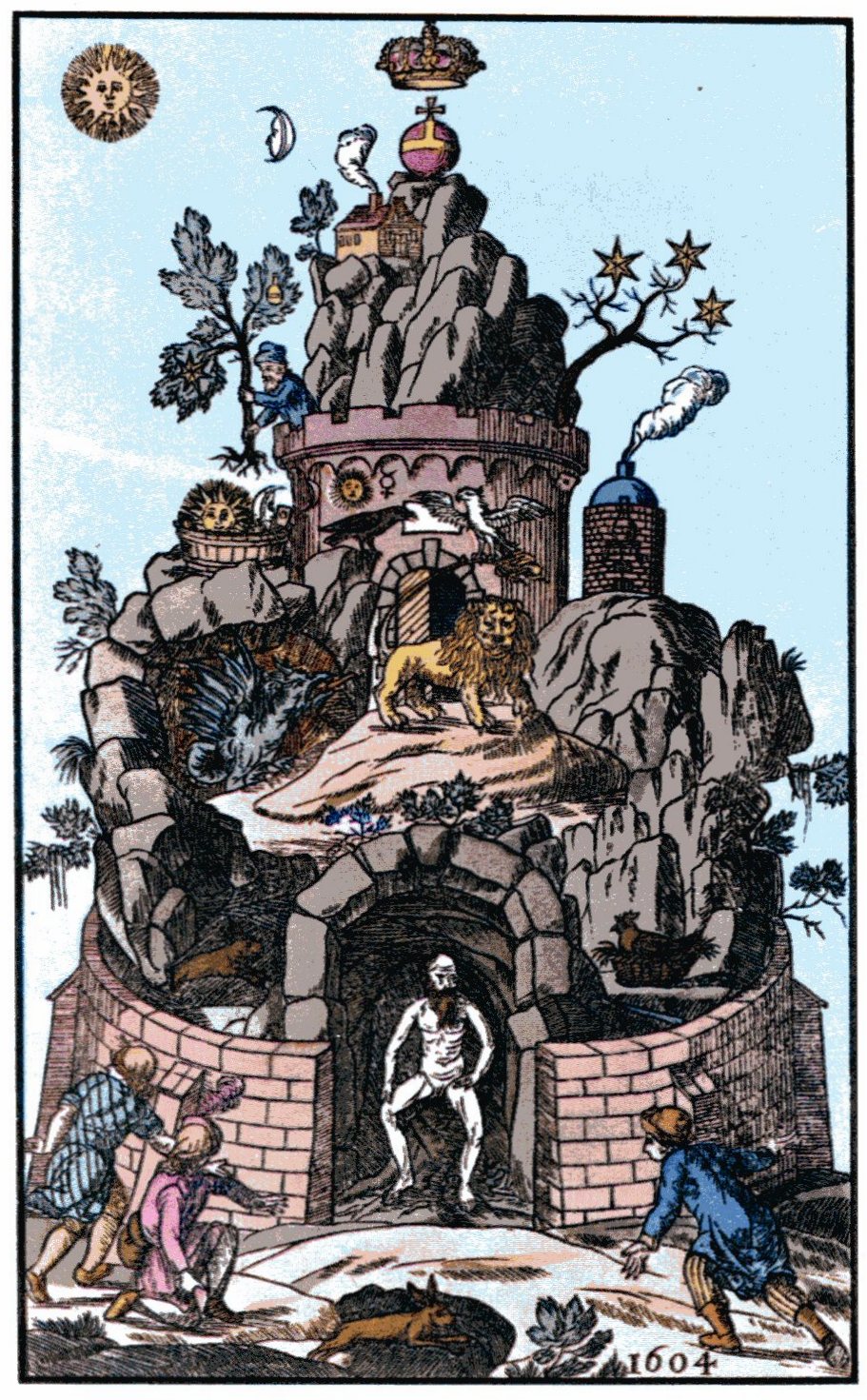
The rose invites consideration of the Rosicrucian tradition. In the Fama Fraternitatis, published in 1614, the discovery of Christian Rosenkreuz’s sealed tomb reveals a chamber constructed with seven sides and seven corners, containing a circular altar and inscriptions associated with the fraternity’s hidden knowledge. The tomb becomes a place of preservation and revelation, where the body of the founder and the secrets of the order have endured through time. Pearlman’s image of a concealed burial place “behind the rose” evokes this tradition, particularly through the identification of the rose with secrecy, initiation, and the preservation of hidden wisdom. The correspondence remains suggestive, especially given the song’s recurring number seven and its interest in concealed identities.
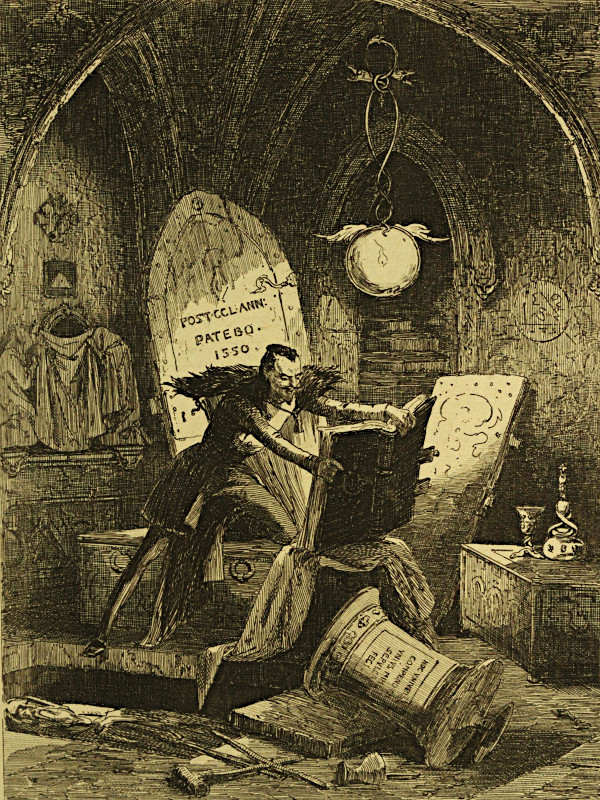
The final burial passage introduces another dimension through the line “I’ll not reveal whose name’s still lost.” In ancient Egyptian religion, the name, or ren, was an essential aspect of personal identity and survival beyond death. The preservation of one’s name helped sustain the deceased’s continued existence, while the destruction or erasure of a name threatened that continuity. The concealment of a name in Pearlman’s song may ultimately carry more weight than a simple refusal to identify the dead. It raises the possibility that identity itself is part of the mystery being protected. The grave conceals the body, while the lost name conceals the person whose identity might otherwise be recovered.
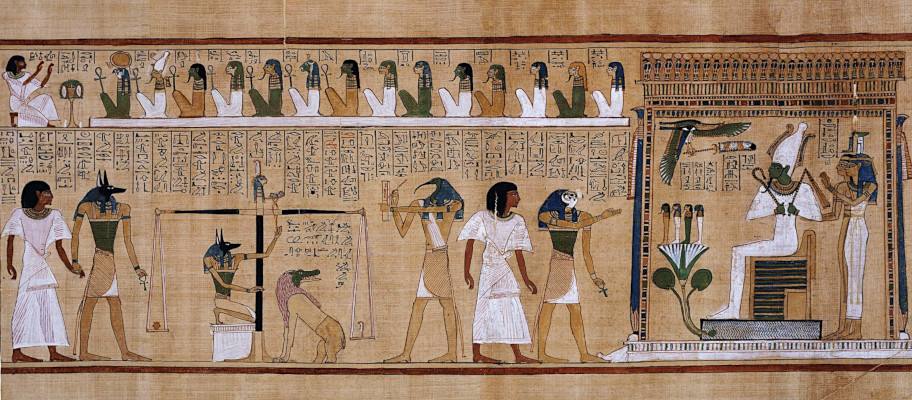
The desire to keep the grave undisturbed brings these images together. The speaker seeks a hidden place where the dead can remain protected, while the concealed name preserves an identity beyond the reach of those who might seek to uncover it. This recalls the discovery of Christian Rosenkreuz’s sealed vault, where the opening of the tomb exposes a body preserved alongside the secrets of the Rosicrucian fraternity. The parallel returns us to Osiris, whose dismemberment and restoration make the grave a place of transformation within the cycle of death and regeneration. In Pearlman’s song, the rose, the secret cove, and the concealed grave describes more than a burial. Together they suggest a hidden sanctuary where the identity and generative power of the dead are preserved, awaiting the conditions of their return.
The Seven: Cast Iron, Ice, and Evil Signs
The number seven brings us back to the ancient planetary order: the Moon, Mercury, Venus, the Sun, Mars, Jupiter, and Saturn. These seven celestial bodies were traditionally associated with powers governing earthly existence, human character, and the passage of time. The song’s description of seven archetypes invites a planetary interpretation, particularly when considered alongside the references to crossed stars and evil signs. The figures represent distinct powers within a larger cosmic order, each participating in the forces that shape human experience. Their precise identities remain open, but the number itself gives their appearance a larger significance.
The description of these figures as having “cast iron for a bloodstream and ice behind their eyes” introduces a striking contrast between the living body and the hard, inert qualities of metal and frozen water. Cast iron begins as molten metal, poured into a mold and allowed to cool into a fixed shape. The image suggests a substance that has passed from fluidity into rigidity, its original movement arrested. A curious biological correspondence emerges here: iron is essential to human blood, where it forms part of hemoglobin, the molecule that carries oxygen through the body. Pearlman’s phrase brings the metal and the bloodstream together, suggesting a life force transformed into something hard and unyielding. The ice behind their eyes extends the image into the realm of perception. Their gaze appears frozen, suggesting an emotional and spiritual coldness that reaches into the center of their being.
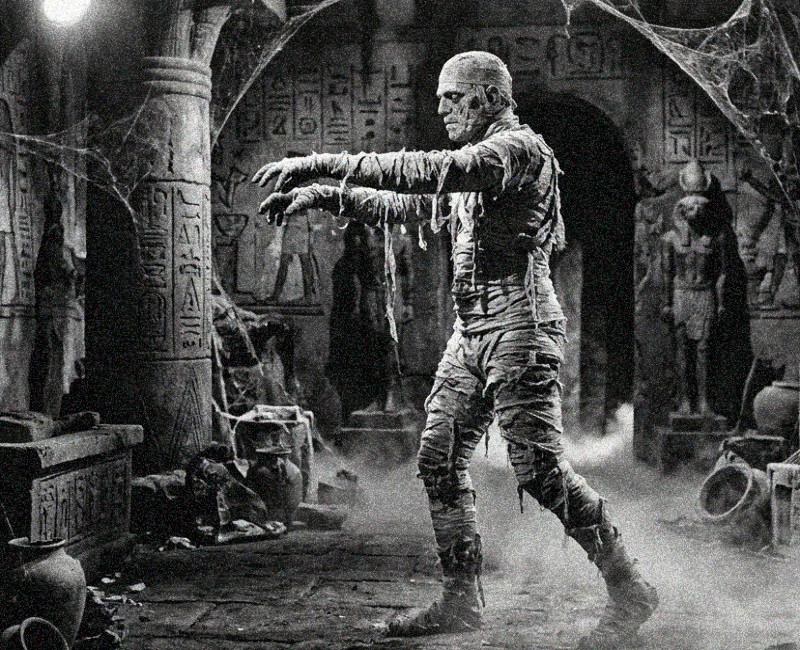
The later description of “rigid arms” intensifies the connection with death. The phrase evokes the familiar horror-film image of the mummy, its arms held stiffly before its body, preserved in an unnatural posture. It recalls rigor mortis, the postmortem stiffening of the muscles, when the body’s capacity for movement has ended. Taken together, cast iron, ice, and rigid arms suggest a condition in which the living body has become fixed and lifeless. The figures retain a recognizable human form, yet their physical qualities evoke the dead. Their apparent vitality is caught somewhere between animation and death.
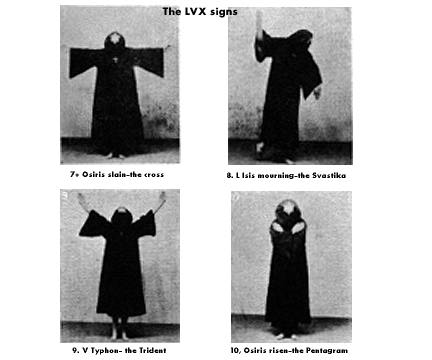
The language of arms and signs also invites a possible ritual interpretation. In the Golden Dawn’s ceremonial system, the L.V.X. signs form a sequence representing the mystery of the slain and risen Osiris. The gestures include Osiris Slain, Isis Mourning, Apophis and Typhon, and Osiris Risen. The sequence moves through death, mourning, destruction, and renewed life, expressing the progression toward the light of L.V.X., or Lux. Pearlman’s references to rigid arms and evil signs could recall this ritual vocabulary. The resemblance is suggestive, particularly in a song already concerned with Osiris, Lucifer, and the relationship between death and generation. We can consider the possibility that the figures carry a ritual dimension, their gestures and signs expressing a passage through destruction and transformation.
The line about men who had learned to refrain from looking at a mirror introduces another mystery. A mirror offers an image of the self, allowing the observer to confront an outward reflection of personal identity. Avoiding that reflection appears to suggest concealment, fear of recognition, or a refusal to confront one’s own nature. In an esoteric context, the mirror can additionally suggest a means of divination or self-knowledge. The seven beings appear to have learned this avoidance from others, although the song leaves those teachers unidentified. The image raises questions about the origin of the figures and the knowledge they have inherited. Their relationship to the mirror may involve an effort to preserve secrecy, to escape recognition, or to avoid a revelation that would expose their true nature.
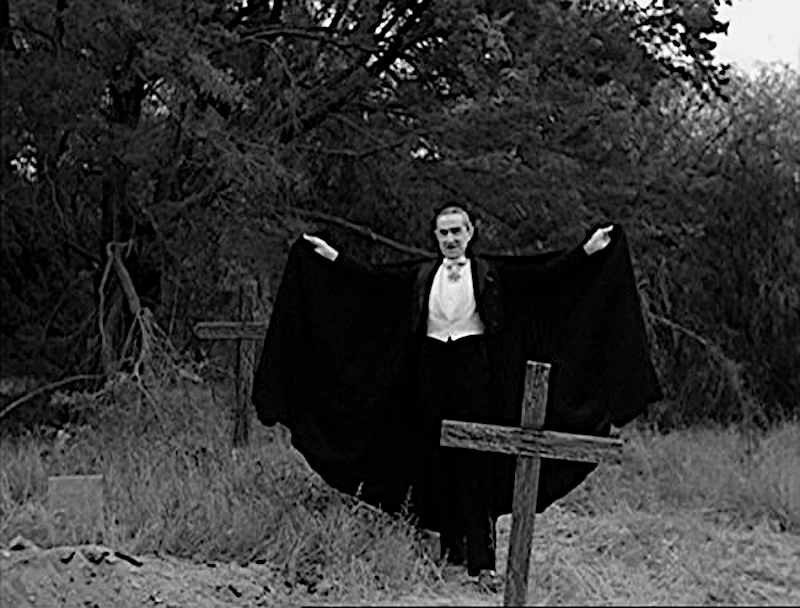
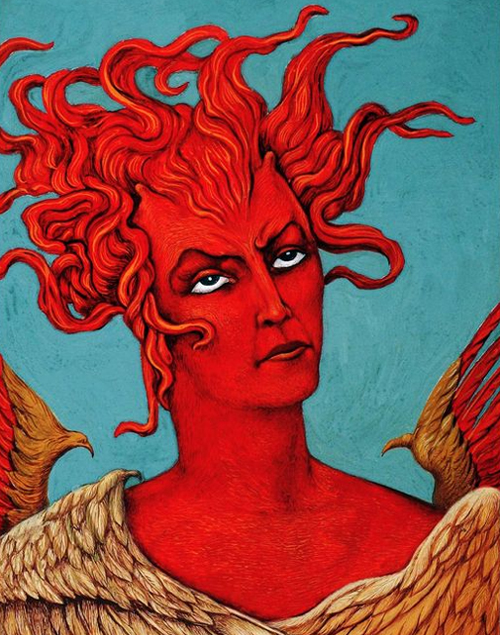
There is something deliciously vampiric about these figures. Their aversion to mirrors, their inability to endure the light, the ice behind their eyes, and their apparent deathlike rigidity conjure the familiar image of the vampire: a creature suspended between life and death, lurking in the shadows and returning from the grave. The cold bloodstream and rigid arms only add to the picture. The imagery makes for wonderfully Gothic fun, and it gives these seven sinister characters another possible identity within the song’s increasingly strange mythology.
The reference to stars being crossed by “twirling fear” brings the planetary imagery back into view. Crossed stars suggest adverse astrological configurations, in which the movements and relationships of celestial bodies are associated with conflict or misfortune. The phrase also conveys a sense of instability, as though the orderly movement of the heavens has become entangled with fear. The seven intelligences presumably belong to a celestial pattern whose influence reaches into earthly life. Their “evil signs” could refer to astrological configurations, visible marks of corruption, or ritual gestures. These possibilities reinforce one another without requiring a single fixed explanation.
The song’s seasonal language adds another dimension. The time of year seems unusually prolonged, with the speaker describing the longer days and longer nights. Read alongside the earlier references to holy nights and Plutarch’s winter-solstice ceremony, this language implies a period of heightened seasonal significance. The speaker’s apparent lack of surprise at the crossed stars hints at foreknowledge, as though the events surrounding the seven entities have been anticipated. Their need for warmth becomes especially important here. Without the warmth they have learned to crave, their hardened smiles and evil signs suggest a condition in which life and feeling have been drained away. Warmth may represent the generative force capable of restoring movement to what has become frozen.
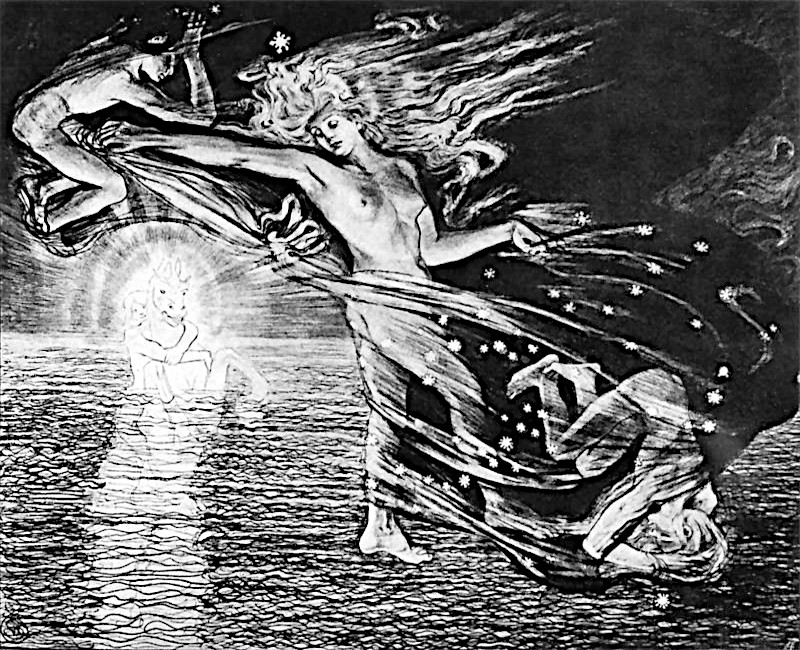
The closing repetitions return to their laughs of pain, harder smiles, rigid arms, and evil signs. The recurring declaration “I can’t stand the light” introduces a tension between the seven figures and the light invoked throughout the song. If Lucifer represents the light-bringer, the speaker’s aversion could suggest an inability to endure revelation or exposure. This recalls the earlier avoidance of mirrors: the figures seem caught in a world of concealment, where reflection and illumination threaten to disclose something hidden. The final count from one through seven brings the figures together as a complete group, returning us to the planetary number and the possibility of a coordinated sevenfold power.
When Duster’s Dust Becomes for Sale
The refrain brings together several of the song’s central images in a particularly provocative way:
“On each and all those holy nights
When duster’s dust becomes for sale
And Lucifer the light”
The refrain brings the song’s sexual and cosmological imagery together through the recurring phrase “duster’s dust becomes for sale.” If the duster’s dust suggests semen, as Albert Bouchard has explained, the language of commodification introduces an intriguing tension. The substance of generation, through which life continues, becomes something offered in exchange. The botanical association adds another dimension. Pollen is collected, transported, and traded, carrying the reproductive potential of flowering plants into the marketplace. Whether the duster represents the source of this substance, its bearer, or an agent of its distribution remains open. The phrase allows us to consider the objectification of generative power, while retaining the possibility that exchange itself belongs to the natural processes through which life is perpetuated.
The reference to “holy nights” places this exchange within a sacred or ceremonial context. The phrase refers to particular nights in a religious calendar, perhaps the solstices and equinoxes, when the changing relationship between light and darkness marks the turning points of the solar year. Plutarch’s account of the sevenfold winter-solstice ceremony dedicated to the seeking of Osiris provides an ancient parallel, bringing together sacred time, the number seven, and the renewal of generative power. The marketplace imagery creates an interesting tension within this setting. Something associated with fertility, regeneration, and the continuity of life appears to enter the realm of commercial exchange. We are left to consider whether this transaction represents a corruption of sacred power, an ordinary part of its circulation, or an expression of the same cycle through which creation and destruction remain intertwined.
The repeated invocation of Lucifer as light returns us to the astronomical and mythological ideas developed earlier. As the morning star, Venus announces the approach of daylight. Through its later Christian interpretations, Lucifer carries the memory of rebellion and the fall from heaven. The song’s treatment of light seems to preserve both possibilities. Light can signify illumination, revelation, and the generative force of the Sun, while also exposing what has been concealed. This tension becomes especially striking in the outro, where the speaker repeatedly declares, “I can’t stand the light.” The aversion recalls the men who learned to avoid mirrors and the concealed identity of the speaker buried behind the rose. Reflection and illumination threaten to reveal what secrecy has kept protected. The light might therefore represent a force that the figures desire, fear, or find unbearable.
The final count from one through seven brings the song’s recurring number to its conclusion. The seven figures are gathered together once more, recalling the planetary order and the sevenfold ceremony described by Plutarch. Their count could suggest an invocation, a summoning, or the completion of a ritual sequence. The repeated refusal of the light complicates that apparent culmination. The figures seem to approach a moment of revelation while remaining bound to concealment and darkness. The song leaves us with a striking contradiction: the light is invoked, yet its presence cannot be endured.
“7 Screaming Diz-Busters” ultimately brings together images of sexual generation, ancestral continuity, celestial influence, death, and the preservation of hidden identity. Its risqué humor provides an entry into a symbolic world in which the generative substance of life becomes an object of exchange, and the powers responsible for creation also participate in destruction. The seven beings remain elusive, their identities and purposes unresolved. They might represent ancestral spirits, planetary powers, agents of transformation, or several of these possibilities at once. What emerges most clearly is the song’s persistent preoccupation with the passage between life and death, concealment and revelation, and the forces through which existence continually renews itself.
They held their heads with laughs of pain
They’d learned from men who’d just refrain
From glancing at a mirror’s face
Seven screamin’ diz-busters who lurk behind the rose
Cast iron for a bloodstream and ice behind their eyes
On each and all those holy nights
When duster’s dust becomes for sale
And Lucifer …the light
The light
They’re long, so long this time of year
When stars be crossed by twirlin’ fear
You don’t suppose I’d prove surprised
Well, seven screamin’ diz-busters should go the route and die
Without that warmth, they’ve learned to crave
With hardened smiles and evil signs, ah, well
Yeah, alright
Bury me near the secret cove so they’ll not know the way
Bury me ’round behind the rose so they’ll not rile my grave
I’ll not reveal whose name’s still lost
Well, their laughs of pain, ah-ha-ha-ha
And their harder smiles
And their rigid arms
And their evil signs
And the longer days and the longer nights
Yeah, they’re longer
Yeah, they’re longer still
On each and all those holy nights
When duster’s dust becomes for sale
And Lucifer the light
Lucifer the light, Lucifer the light
Lucifer the light, Lucifer the light
Lucifer the light …oh, the light (Lucifer the light) …I can’t stand the light
Lucifer the light …I can’t stand it now (Lucifer the light) …no
Lucifer the light …can’t stand the light (Lucifer the light)
Lucifer the light …can’t stand the light
Lucifer the light …can’t stand the light
Lucifer the light, Lucifer the light
Lucifer the light …oh, no (Lucifer the light) …ah
Lucifer the light, Lucifer the light …I can’t, I can’t
Lucifer the light no (Lucifer the light) …can’t stand it
Lucifer the light …can’t stand it, no (Lucifer the light) …can’t stand it
Lucifer the light can’t (Lucifer the light) …can’t, I can’t, I can’t
Lucifer the light …I can’t, I can’t, I can’t stand it
Lucifer the light, (Lucifer the light) …just can’t stand the light
Lucifer the light …one (Lucifer the light) …two
Lucifer the light …three (Lucifer the light) …four
Lucifer the light five (Lucifer the light) …six
Lucifer the light …and seven
Discover more from The Bohemian Star
Subscribe to get the latest posts sent to your email.