The Melting Pot Origins of Rock & Roll
The origins of rock & roll are rooted in the rich interplay of musical traditions from both black and white communities in the American South during the late 1940s and early 1950s. Black musical traditions: blues, R&B, gospel, and jazz supplied the driving rhythm, call-and-response patterns, and expressive intensity that shaped the genre’s foundation. Jazz, particularly jump blues and swing, contributed heavily to the driving, syncopated backbeat, while the emotional rawness and improvisational energy of gospel and traditional blues defined the music’s ultimate urgency.
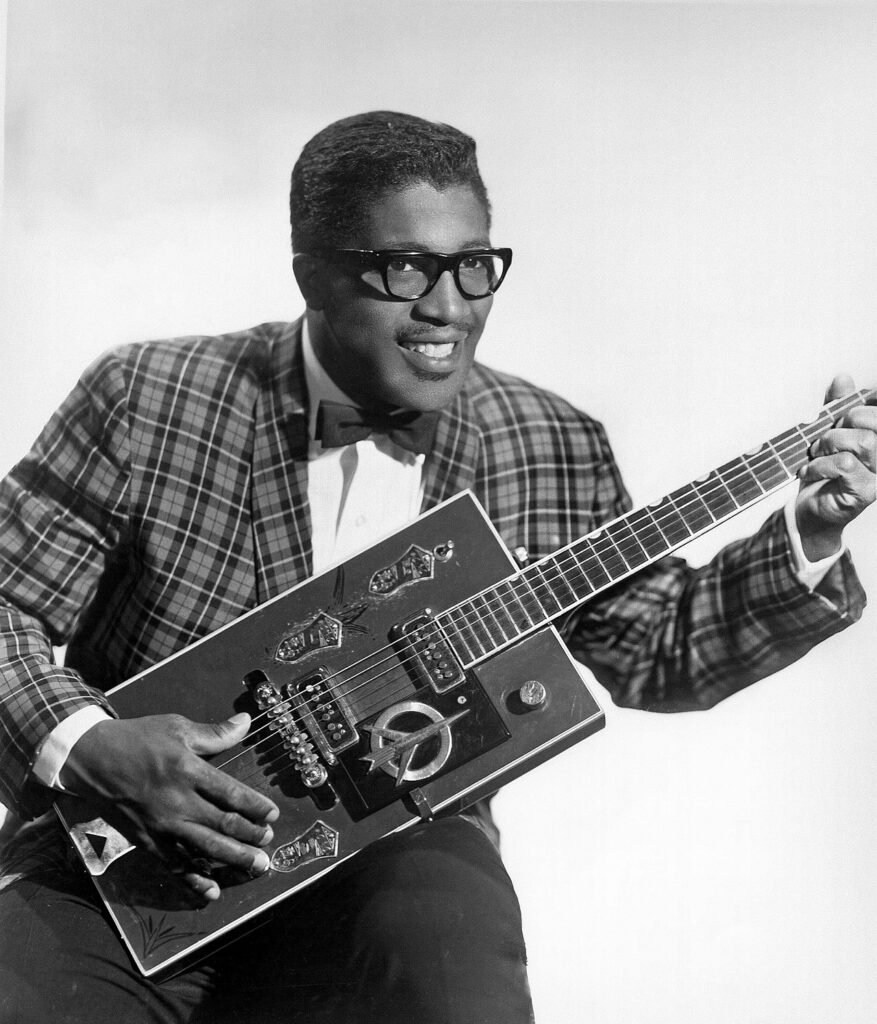
Sister Rosetta Tharpe brought electric guitar into gospel settings in the 1940s, creating sounds that later defined rock guitar. Chuck Berry developed guitar riffs paired with humorous storytelling lyrics. Little Richard delivered high-energy performances that set standards for stage presence. Fats Domino brought his warm, rolling New Orleans piano grooves and irresistible swing, while Bo Diddley unleashed his raw, hypnotic “Bo Diddley beat,” a pounding, African-rooted rhythm that became one of rock’s most distinctive and influential sounds.
White Rural Contributions and Early Cross-Pollination
White rural traditions added melodic structures, narrative approaches, and instrumental textures from Appalachian folk, country, and rockabilly. These elements combined with the rhythmic foundation to create that appealed to wide swaths of the American youth of the time.
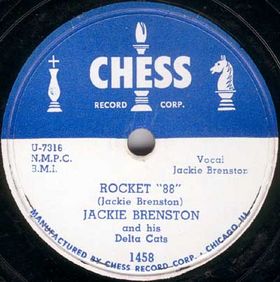
One early recording that captures this blend is “Rocket 88,” recorded in March 1951 at Sam Phillips’ studio in Memphis and released on Chess Records under Jackie Brenston and his Delta Cats, with Ike Turner’s band performing. Its distorted guitar, boogie-woogie piano, and upbeat R&B energy made it a hit that influenced later artists, including Bill Haley.
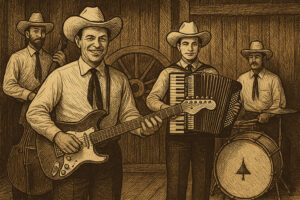
A strong regional example of this cross-pollination is “Birmingham Bounce,” recorded in 1950 by Sid “Hardrock” Gunter and The Pebbles on Bama Records. It mixed hillbilly boogie with swinging fiddle, steel guitar, and piano into a sound that would come to be known as rockabilly. The track achieved local success and was covered by artists like Amos Milburn, Lionel Hampton and Red Foley, showing early movement between country and R&B circles. Appalachian folk, country and western, and Tin Pan Alley pop further contributed narrative lyric styles and melodic phrasing that helped shape early rockabilly.
Shared Culture
Beyond recordings, rock & roll created shared experiences in an era of legal segregation. Dance floors and concerts occasionally brought Black and white teenagers together despite divided seating or local prohibitions. The music’s physical energy and communal appeal made those divisions more difficult to sustain in practice.
Evolution and Expansion
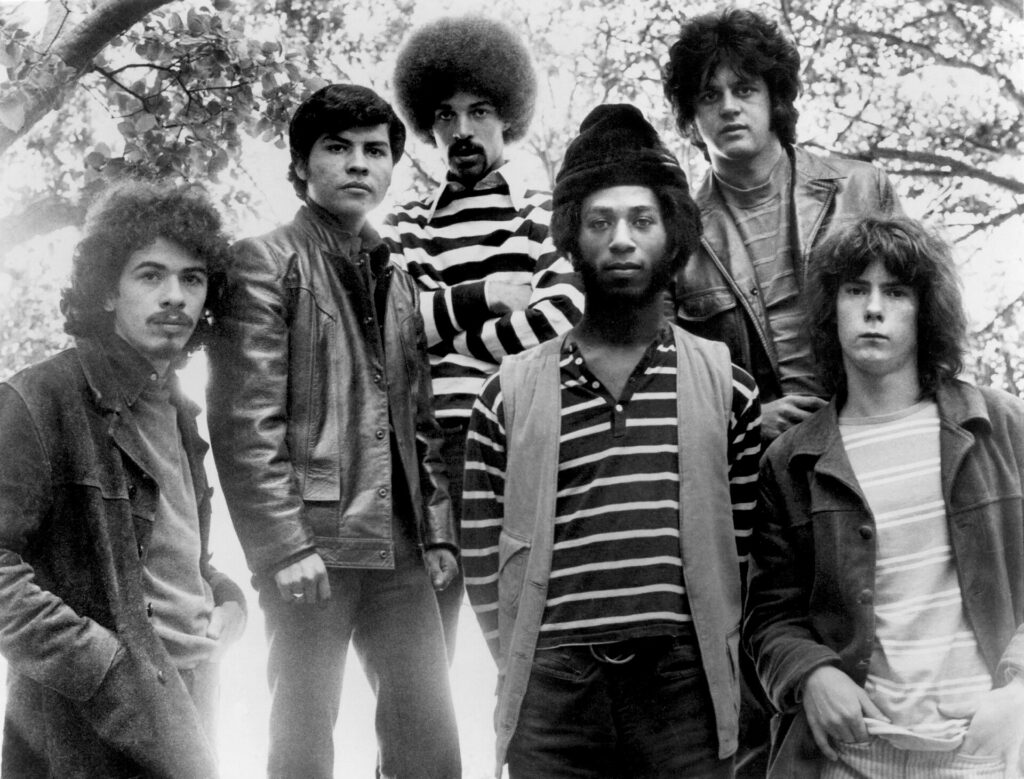
Over time, rock & roll shortened its name to rock and continued to expand by incorporating Latin rhythms, ska, reggae, and other global influences. Artists like Santana demonstrated how these combinations could generate fresh directions while maintaining rock’s core vitality.
The British Invasion in the 1960s, led prominently by the Beatles, marked another major phase of evolution. The Beatles absorbed American rock & roll, rhythm and blues, country, and pop, then reinterpreted them with sophisticated songwriting, harmonies, and studio experimentation. Their work broadened rock’s appeal internationally and encouraged further innovation at home.
Rock also moved into psychedelic territory, embraced greater eclecticism, and explored progressive structures. It mixed in classical music elements, avant-garde concepts, and extended improvisation. Yes exemplified this direction with their technically ambitious compositions, intricate arrangements, and incorporation of classical influences. The Velvet Underground introduced experimental textures and raw urban realism. The Grateful Dead became one of the most ambitious integrators in the genre, weaving together rock, folk, country, blues, jazz, and psychedelic improvisation into a fluid style that reflected America’s diverse musical traditions.
This ongoing process of borrowing, recombining, and pushing boundaries remained a defining feature of rock, a testament to the genre’s restless spirit and boundless capacity for reinvention.
Institutional Debates: The Rock & Roll Hall of Fame
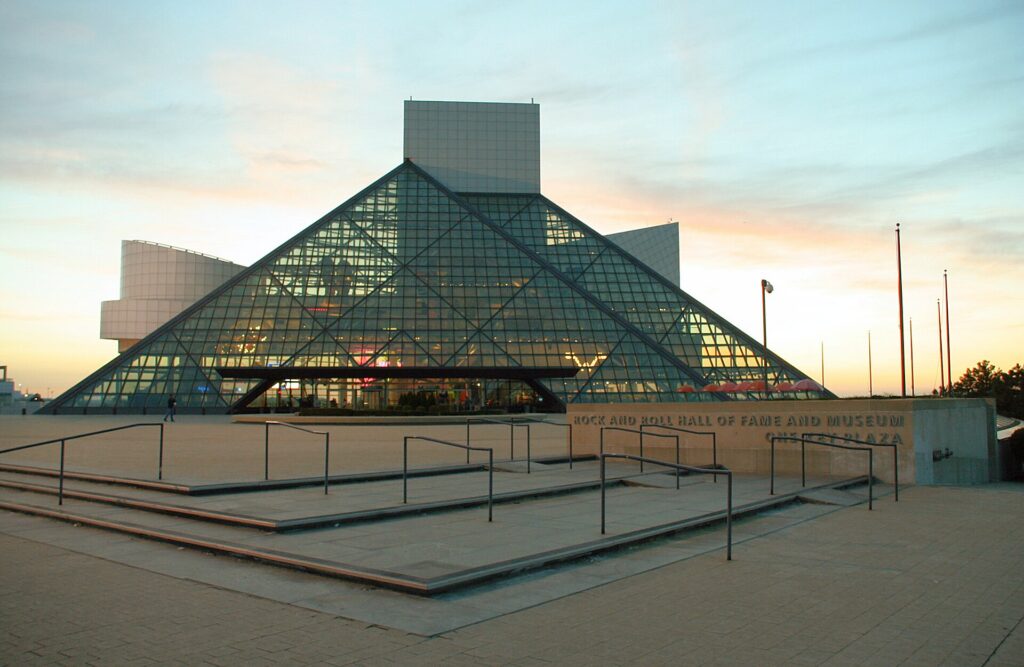
As rock & roll moved from a new form into an established tradition, attention turned to institutions to preserve and define it. The Rock & Roll Hall of Fame became a focal point for discussions about its scope and evolution.
Comments by KISS frontman Gene Simmons on the LegendsNLeaders podcast in February 2026 brought renewed attention to these questions. Simmons expressed the view that hip-hop doesn’t fit within the Hall of Fame’s focus, stating, “It’s not my music. I don’t come from the ghetto. It doesn’t speak my language.” He contrasted certain missing rock artists with hip-hop inductees, arguing for a strict definition of the genre.
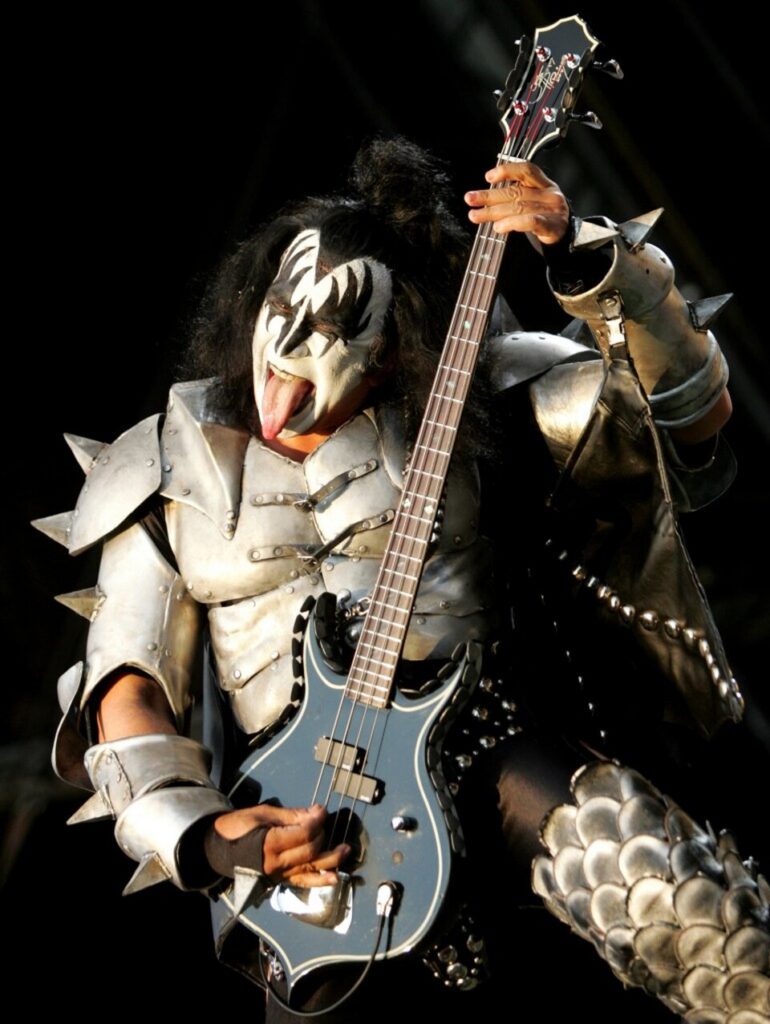
To many critics, Simmons’ remarks come across as dismissive of a major Black American art form. By using the word “ghetto” to dismiss an entire, globally celebrated Black art form, the remark weaponizes a classic, coded pejorative to dismiss Black culture. The comment is particularly ironic given rock &roll’s own history of white artists achieving massive commercial success by borrowing from Black rhythm and blues pioneers who were simultaneously shut out of mainstream profits.
Furthermore, Simmons’ own history betrays this exclusion. Born in Israel to a Holocaust-survivor mother, Simmons immigrated to New York at age eight, growing up poor in an apartment in Jackson Heights, Queens. Most crucially, his dismissal treats hip-hop as an alien intrusion rather than a contemporary movement. In reality, hip-hop was officially born in a West Bronx community room in August 1973, the exact same year KISS officially formed in New York City. While Simmons was building a guitar-driven theatrical act in Queens, Black and Latino youth just seven miles north were constructing a turntable-driven rebellion in the Bronx. Both movements shared a geographical, chronological, and socioeconomic reality: they were products of working-class, marginalized New York boroughs using raw ambition to escape poverty. By drawing a cultural line at the Bronx border, Simmons overlooks the very survivalist, DIY spirit that birthed both his own rock career and the hip-hop movement he rejects.
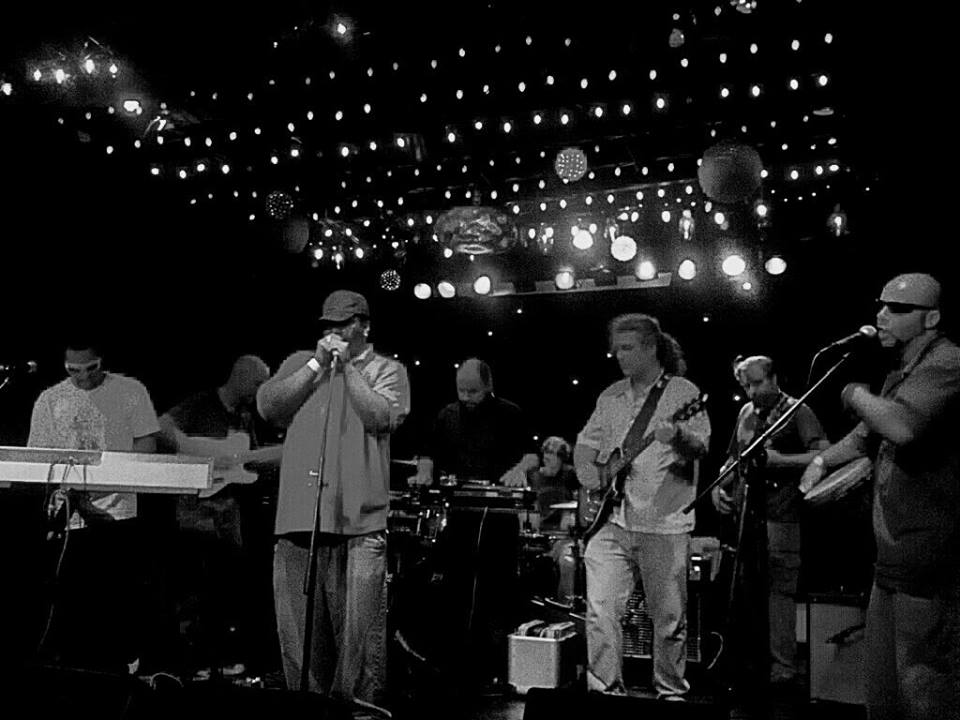
This gatekeeping is particularly hollow to anyone who has actually stood on a stage where these sounds collide. As a rock guitarist who spent some time playing in a hip-hop band, I’ve seen first-hand that the line separating the two genres is entirely artificial. When the corporate marketing and fan tribalism are stripped away, the core mechanics of a rock riff and a deep hip-hop groove require the same raw energy, rhythmic precision, and community-driven spirit. Hip-hop inherited the true attitude of rock & roll.
This narrow definition directly conflicts with the foundational philosophy of the institution itself. The Rock & Roll Hall of Fame has long operated on a broader definition of “rock & roll” as a cultural lineage rather than a strict genre boundary, encompassing rhythm and blues, soul, funk, and other Black American musical traditions that helped shape the form from its inception.
Why Hip-Hop Belongs in the Rock & Roll Hall of Fame
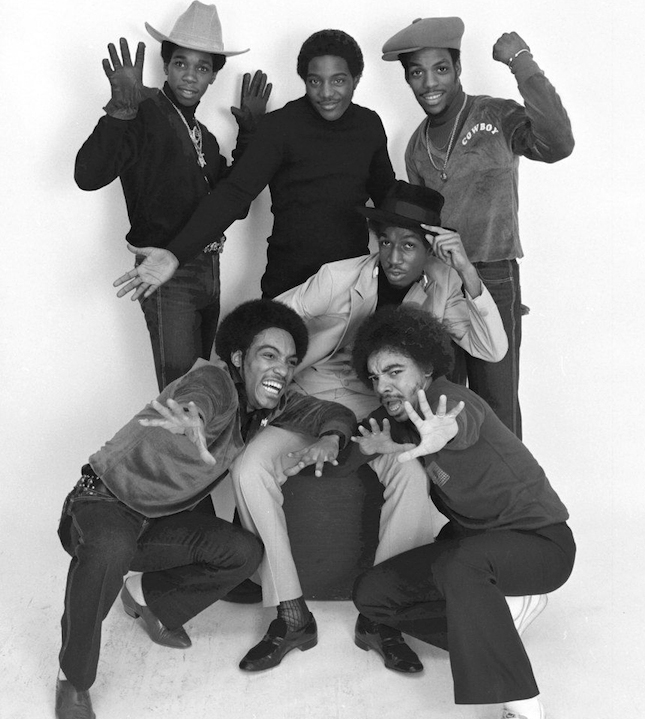
Hip-hop, which developed in the Bronx during the 1970s in Black and Latino communities, builds on funk, soul, disco, and spoken-word elements while incorporating sampling techniques that parallel earlier rock practices of borrowing and reworking material. Its direct connections to rock appear in collaborations, such as Run-D.M.C. with Aerosmith on “Walk This Way” in 1986, which introduced hip-hop to wider audiences and revived the rock group’s career. Additional links exist through Beastie Boys’ punk-rap approach and Rage Against the Machine’s rap-rock sound.
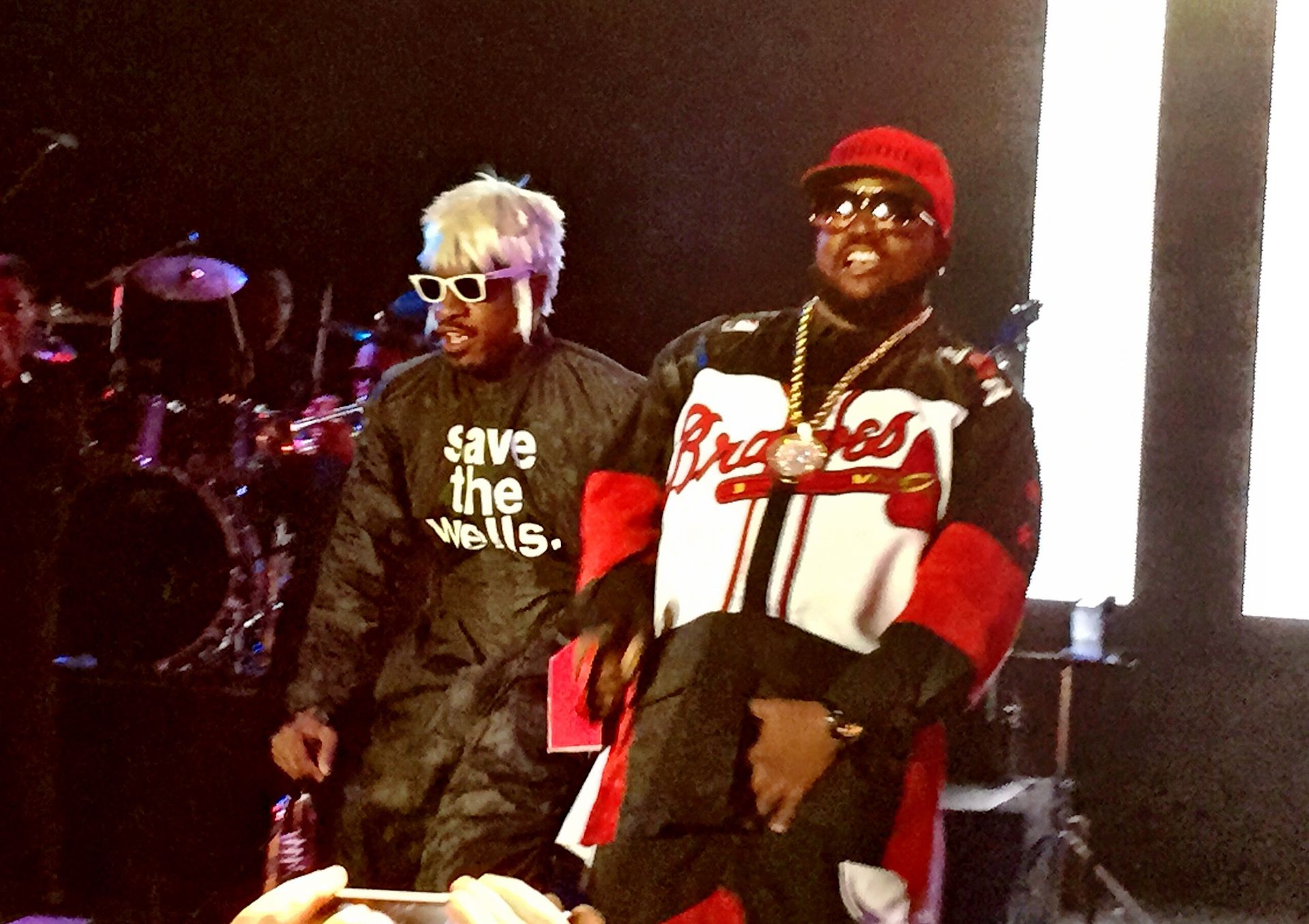
The Hall of Fame has recognized these contributions through inductions that include Grandmaster Flash and the Furious Five (2007), Run-D.M.C. (2009), Beastie Boys (2012), Public Enemy (2013), N.W.A (2016), Tupac Shakur (2017), The Notorious B.I.G. (2020), Jay-Z (2021), LL Cool J (2021), Eminem (2022), A Tribe Called Quest (2024), and Outkast (2025). These selections affirm hip-hop’s major impact, celebrating its role in pushing rhythmic innovation and delivering sharp cultural commentary.
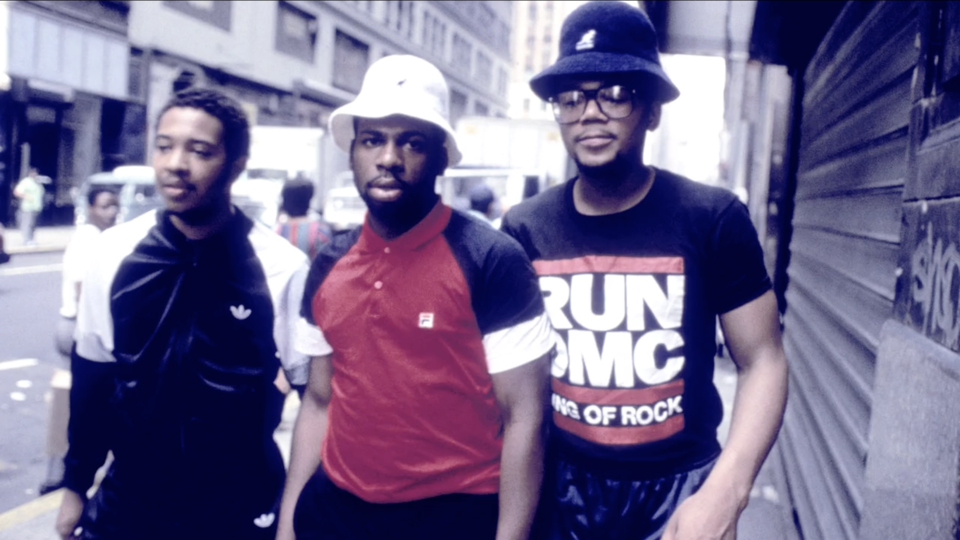
In response to Simmons’ position, Chuck D of Public Enemy has argued that hip-hop represents the “roll” in rock & roll itself, emphasizing the genre’s role in extending and transforming the cultural energy that rock originally embodied. By reframing the debate this way, Chuck D asserts that Black artists are not merely “guests” asking for permission to enter a rock institution, but are the literal architects of the entire cultural lineage the institution celebrates.
Hip-hop is simply a later chapter in the same process that created rock & roll: drawing from lived experience, responding to social conditions, and generating new forms that reach wide audiences. The Hall of Fame’s recognition of this continuity aligns with the genre’s record of absorbing and transforming influences.
Conclusion: The Ever-Evolving Spirit of Rock & Roll
From the beginning, rock & roll emerged from the collision of musical traditions that had long developed across racial and regional lines. It embodied a form of cultural exchange that was imperfect, unequal, and often contested, but creative.
Hip-hop continues that trajectory in a different era, under different conditions, but with the same process: transformation through combination, and identity formed from exchange rather than isolation.
The Rock & Roll Hall of Fame, like the music it attempts to represent, is a living discussion about what American popular music has been, is, and continues to become.
Don’t let the conversation stop here. We’re tearing down the walls and continuing the debate over on Blue Sky – @thebohemianstar.com. If you’re still lingering in the old spaces, you can also join our private inner circle over at The Bohemian Star Salon on Facebook to talk rock mythology, occult history, and alternative realities with the rest of the crew.
Discover more from The Bohemian Star
Subscribe to get the latest posts sent to your email.