
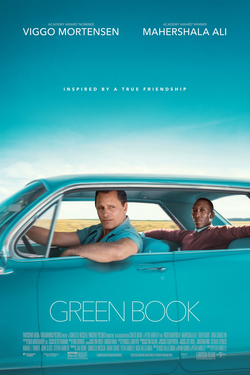
Last night we watched the movie, Green Book, and I’m so glad we did. I thought it was excellent and worthy of the three Academy Awards it won, including Best Picture and Best Original Screenplay. It’s inspired by the lives of two very real people: Dr. Don Shirley (played by Mahershala Ali) and Frank “Tony Lip” Vallelonga (played by Viggo Mortensen).
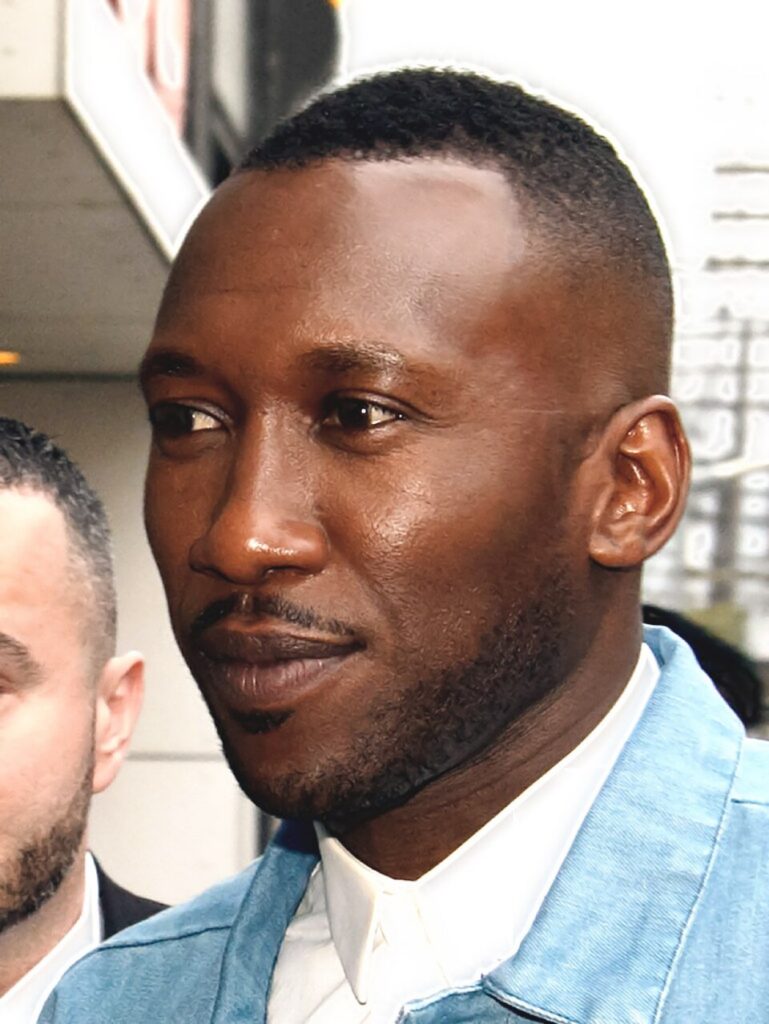
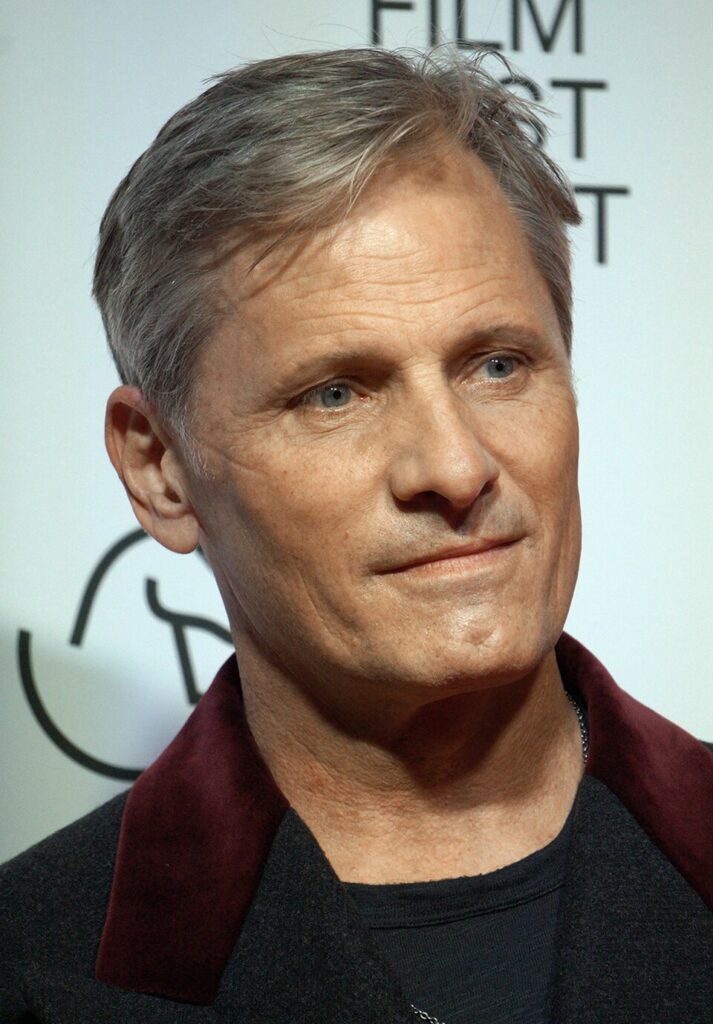
The movie is based on a story by Nick Vallelonga (Tony’s son) who recorded accounts from both his father and Dr. Shirley before their deaths in 2013. The film, directed by Peter Farrelly, was largely made in New Orleans and the surrounding area, but nonetheless does a marvelous job of recreating these two men’s journey through the Deep South in 1962.
The Real History Behind the Green Book Movie
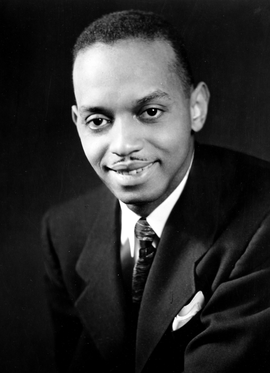
Dr. Don Shirley was a musical prodigy of staggering genius. Born in Florida to Jamaican immigrants, he made his concert debut with the Boston Pops at eighteen. While popular legend, and his record label, claimed he studied music at the Leningrad Conservatory in the Soviet Union, historical records show this was an invention by executives who believed a white establishment would find a European pedigree more palatable than his actual education at American HBCUs. Despite his talent, the racial barriers of mid-century America severely restricted his career. The classical music establishment flatly refused to support a Black concert pianist, forcing Shirley to carve out his own niche by blending classical techniques with jazz and popular music to form the world-renowned Don Shirley Trio.
Frank “Tony Lip” Vallelonga was a working-class Italian-American born and raised in the Bronx. He was a street-smart bouncer and fixer known for his ability to handle trouble with his fists or his mouth, earning him his nickname “Tony Lip.” He spent years navigating the gritty nightlife of New York City, most notably working at the famous Copacabana nightclub, where he frequently interacted with celebrities, mobsters, and high-profile performers. Tony was deeply rooted in his traditional, urban immigrant community, a localized world where casual racial prejudices went entirely unexamined.
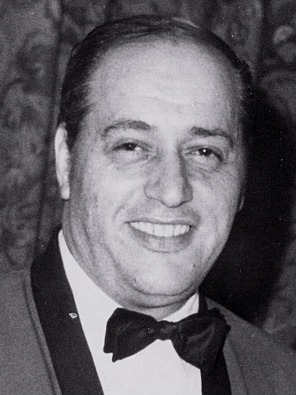
The Sopranos Easter Egg: The Real Tony Lip
There’s a delicious, real-world irony to Tony’s unrefined characterization in the film. While the script paints him as a man entirely oblivious to high art, the real Tony Lip went on to become a staple of American cinematic history. His authentic Bronx energy made him a favorite of legendary directors like Francis Ford Coppola, Martin Scorsese, and Sidney Lumet. His acting credits include appearances in masterpieces like The Godfather, Dog Day Afternoon, Year of the Dragon, Raging Bull, Donnie Brasco, and his role as Frankie “The Wop” in Goodfellas. Most famously, he cemented his legacy in television history by portraying the cold, calculating New York crime boss Carmine Lupertazzi Sr. in HBO’s The Sopranos. Knowing that this crude, road-tripping driver would go on to share the screen with Marlon Brando, Robert De Niro, Al Pacino, and James Gandolfini adds a spectacular layer of depth to the real man behind the character.
Journey Into Darkness
In the fall of 1962, Dr. Shirley hired Tony to serve as his driver and bodyguard for a concert tour extending from the Midwest into the Deep South. The real-life journey lasted around a year or so, during which the men developed a unique bond. Traveling through the Jim Crow South, Tony witnessed first-hand the constant indignities, rigid segregation, and physical dangers Dr. Shirley faced. In turn, Shirley exposed Tony to a world of culture, artistry, and dignity.
Pushing Back on Mainstream Film Commentary
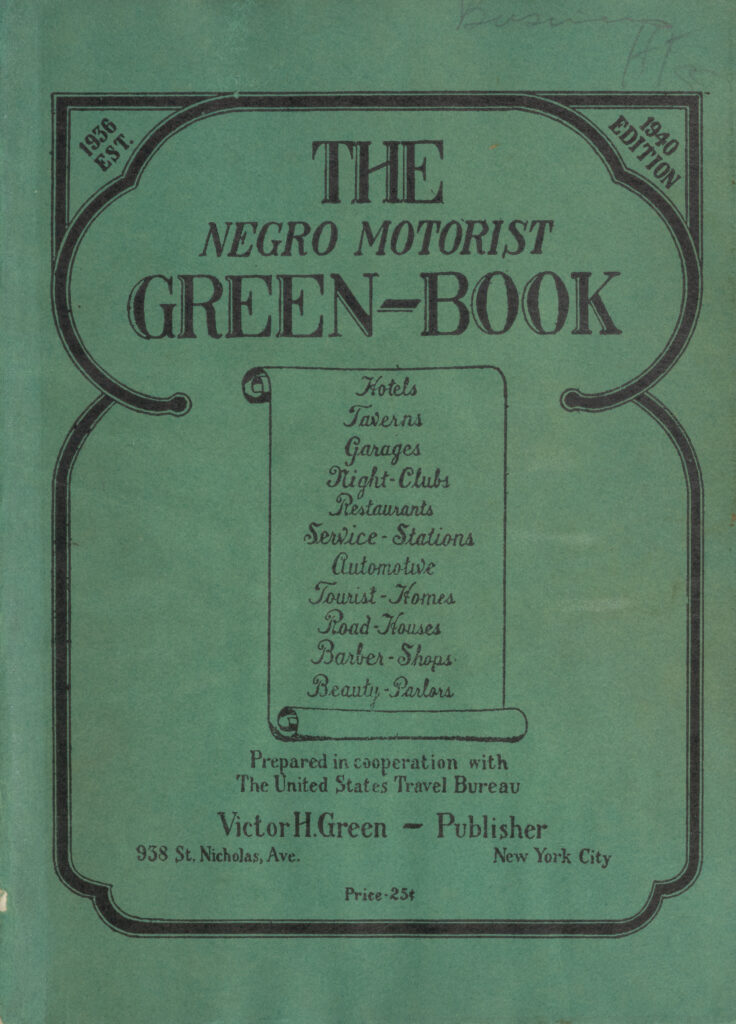
After watching this movie I wanted to see what critics and reviewers thought. After looking at some of the commentary complaining about it being a simple “white savior” trope or that the “Negro Motorist Green Book” was used merely as a plot device rather than a central theme, I want to push back as this isn’t at all what I saw.
By filtering a 1962 historical drama through a rigid, modern ideological lens, critics ended up doing exactly what they accused the filmmakers of doing: they flattened complex human beings into convenient sociological archetypes. In doing so, they missed a highly nuanced story about two very different kinds of outsiders.
The Purpose of the Vallelonga Family Dynamic
A primary target for critics was the film’s detailed focus on Tony’s boisterous family life, which detractors claimed minimized Dr. Shirley’s screen time and personal struggles. This assessment misunderstands the narrative structure. In the Italian-American tradition, family life is an anchoring institution. By giving the viewer an intimate look into Tony’s loud, crowded home, the filmmakers establish a sharp contrast that exposes Dr. Shirley’s isolating reality. Shirley’s life is cloaked in a layer of reserve that slowly peels away on the road, making the distance between Tony’s crowded dinner table and Shirley’s solitary throne all the more striking. Without this focus on the Vallelonga family dynamic, the emotional payoff of the movie’s ending, where Shirley is ultimately welcomed into that very family circle on Christmas Eve, would carry no weight.
The Cyrano de Bergerac Trope
This cross-cultural exchange stands out in what I call the Cyrano de Bergerac trope deployed across their journey. As Tony struggles to compose letters to his wife, Dr. Shirley steps in, lending his poetic elegance, vocabulary, and romantic sensibilities to voice the thoughts Tony is too uncultured to express. It’s a classic literary device that serves a dual purpose: it allows Tony to connect with his wife back home while giving Dr. Shirley a safe, proxy vehicle to express the vulnerability, romance, and emotions that his closeted life denied him in public.
Musical Exile and The Orange Bird Breakthrough
Their connection deepens through a shared exploration of music, which highlights Dr. Shirley’s distinct alienation from the Black American culture of 1962. Elevated by an elite education, Shirley is entirely detached from the revolutionary Black voices inventing Rock & Roll. Ironically, it’s Tony, the uncultured Northern driver, who has his finger on the pulse of the radio, introducing Shirley to the popular Black artists of the day. This musical exile reaches a powerful breakthrough at the end of the film. After walking away from the country club bigotry in Birmingham, the duo visits a Black roadhouse called “The Orange Bird.” Stepping up to a weathered upright piano, Shirley initially commands the room by tearing through Chopin’s “Winter Wind” Étude (Op. 25, No. 11). But the true transformation occurs when the house blues band joins him on stage. Shirley cuts loose, letting go of his rigid classical restraints to jam along to a driving, Rock and Roll-infused blues rhythm. Leaving the nightclub, a beaming Shirley tells Tony how much joy the experience gave him, joking that he would gladly play music like that once a month for free. It’s a triumphant moment where Shirley reclaims a vital piece of the musical heritage that he’d insulated himself from.
The Narrative High Stakes of Birmingham, Alabama
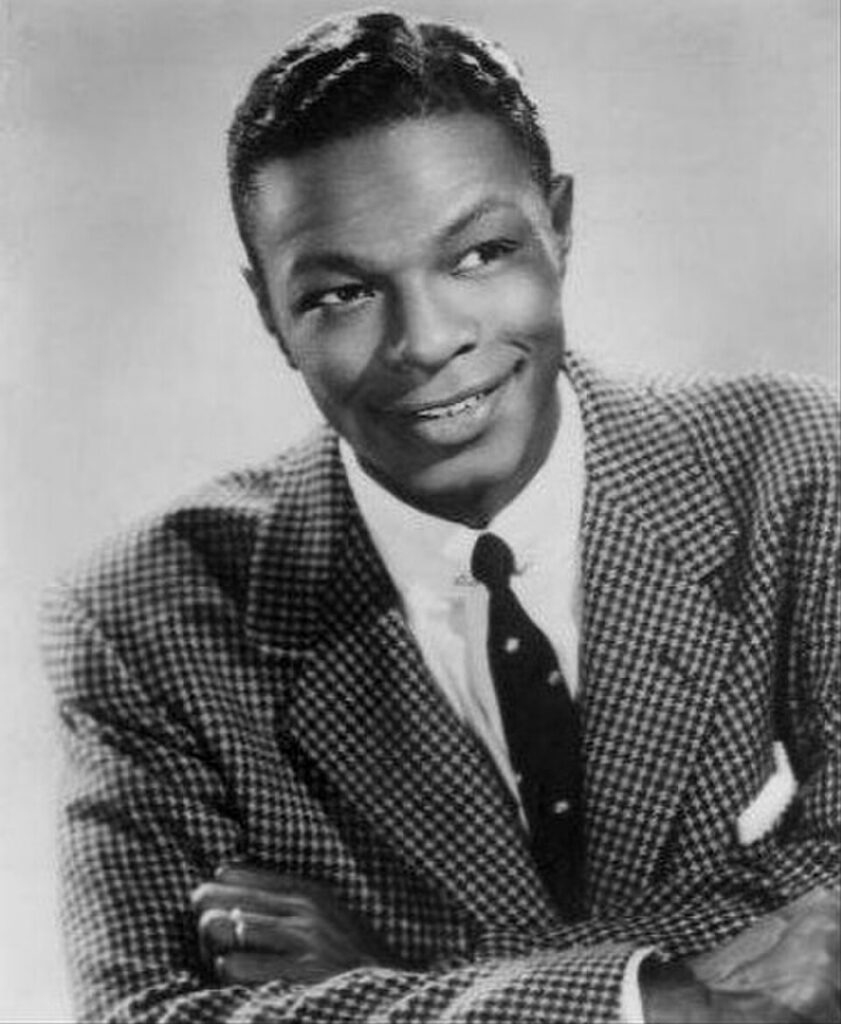
The narrative heavily drives toward its final, high-stakes destination: Birmingham, Alabama. As a resident of Birmingham, this final act spoke directly to me. The movie takes place in 1962, a powder-keg moment of transformation in the American civil rights movement. The film invokes the dark history of our city, mentioning the horrific 1956 assault on Nat King Cole at Municipal (now Boutwell) Auditorium, where a mob of white supremacists rushed the stage and brutally beat the legendary performer simply for playing music to a white audience. In real life, that terrifying incident was one of the primary catalysts that compelled Dr. Shirley tour of the Deep South. He chose to walk straight into the belly of the beast to challenge prejudice through the sheer force of his artistic dignity. The narrative stakes in Birmingham are total: Tony only gets the second half of his crucial payout if Shirley performs this final show. When they walk away from the bigoted country club establishment, which visually mirrors the historic Country Club of Birmingham in Mountain Brook, they are actively choosing human dignity over compliance.
Deep South Friction
The loudest criticisms targeted the film’s racial dynamics, frequently reducing Tony to a flat representation of whiteness. This critique relies on a historical revisionism that views “whiteness” in 1962 as a monolithic, all-access pass to safety and belonging across America. To the Anglo-Saxon, Protestant establishment ruling the Jim Crow South, Tony was viewed as a Yankee, a Catholic, and an Italian-American instead of an equal. In states like Alabama and Mississippi, this carried heavy cultural baggage. While Tony certainly didn’t face the legal terror or systemic disenfranchisement imposed upon Dr. Shirley, his acceptance in the South was highly conditional. His thick Bronx accent, mannerisms, and heritage signaled to locals that he didn’t belong. The Southern establishment practiced a form of transactional tolerance with men like Tony: his Northern money was green enough to accept at a motel or gas station, but he was expected to spend it and move along. By stripping away Tony’s specific ethnic identity, critics committed their own form of cultural erasure, missing the film’s subtext: the road to empathy is built by two men who, in vastly different ways, were both driving through a country that refused to recognize either one of them.
The Realities of the Closet
Equally flawed was the backlash regarding Dr. Shirley’s isolation. Detractors often point to surviving family members denying Shirley’s homosexuality as proof of Hollywood fabrication. This stance reflects a naive dismissal of the mid-century closet and an ignorance of deep-seated cultural dynamics. In 1962, a sophisticated Black man already had “one strike” against him by refusing to conform to society’s rigid racial expectations, a reality tragically illustrated by the music establishment forcing Shirley to modify his passion. He simply couldn’t afford a second strike.
To assume Dr. Shirley would have been open with his family completely misunderstands the era. He operated under the same terrifying social contract as his contemporaries like Liberace, who went to great lengths to legally litigate his perceived heterosexuality. For closeted men of this caliber, marriages to women in the 1950s, such as Shirley’s brief marriage to Jean Curtis Hill, frequently served as vital social armor. Anyone who has spent real time around the music industry knows how fiercely public figures, especially those from traditional backgrounds, had to guard their private lives.
Furthermore, his family’s modern-day denials underscores a harsh sociological truth: an intense, deeply embedded cultural denial surrounding homosexuality has historically existed within the Black community, often compounded by rigid religious expectations. For a man like Dr. Shirley, revealing his true self to his peers or family would have risked complete dismissal, hostility, or even violence. The persistent denial from Shirley’s family even after his death tragically points to the very survival mechanics of the mid-century closet. In fact, Dr. Shirley requested that Nick Vallelonga not tell this story until after his death. That request carries its own undeniable truth: even in his twilight years, the shadow of exposure was so heavy that he required the sanctuary of the grave before his full life could be shared with the world. His isolation was a lifelong structural necessity for survival rather than mere Hollywood invention.
The Green Jade Stone
This subtle, psychological evolution is captured by a completely overlooked plot device: the stolen green jade stone. Early in the trip, Tony casually pockets the stone from a highway gift shop. When Shirley catches him and demands he return it, Tony puts on an angry display of compliance, pretending to put it back. Shirley, operating with a sophisticated emotional intelligence, pretends to believe him, allowing Tony to save face while establishing a moral boundary. Later, when they’re caught in a dangerous snowstorm, Shirley shifts the dynamic entirely. He tells Tony to place his “lucky rock” on the dashboard as a symbol of protection. By the end of the film, we realize Shirley has quietly taken the stone for himself as a treasured souvenir of their shared experience. The stone changes from a symbol of Tony’s casual dishonesty into a shared totem of their adventure. It binds these two outsiders together, showing that through the ordeals of their journey, they’ve become each other’s ultimate protection.
The True Meaning of the Green Book
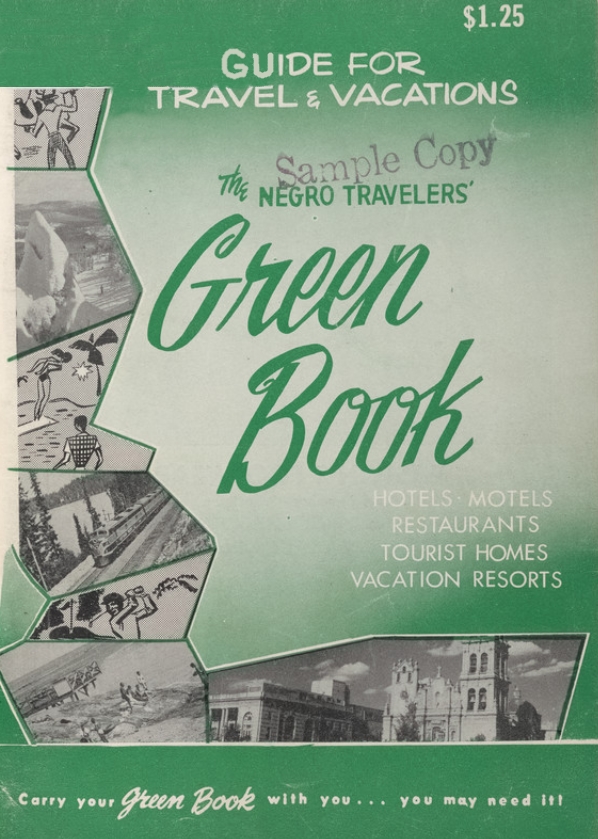
Finally, the critical complaint that the Negro Motorist Green Book was minimized into a mere plot device is another misreading. This book is the central anchor of the film, operating on two distinct levels. First, it symbolizes the crushing reality of mid-century isolation. The very existence of the book maps out a segregated world, proving that safe spaces for Black Americans could only exist by being cordoned off from the mainstream establishment. Second, the book serves as a symbol of revelation for Tony. When it’s handed to him, it confronts his casual ignorance, and forces him to see his own country through the lens of institutionalized danger. It’s the catalyst that kickstarts his journey from blind compliance to active empathy.
Ultimately, Green Book was penalized by critics for focusing on interpersonal empathy instead of directly challenging systemic political institutions. But cinema doesn’t always need to be cynical or grim to be impactful. In an era where misunderstanding and division are once again on the rise, there’s an immense, vital value in feel-good cinema. Green Book reminds us that human connection is built step-by-step through shared experience. We can appreciate the film for what it truly is: a beautiful, historically grounded testament to the power of shared experience.
Don’t let the conversation stop here. We’re tearing down the walls and continuing the debate over on Blue Sky – @thebohemianstar.com. If you’re still lingering in the old spaces, you can also join our private inner circle over at The Bohemian Star Salon on Facebook to talk rock mythology, occult history, and alternative realities with the rest of the crew.
Bibliography
Al.com. 2019. “KKK’s 1956 attack on Nat King Cole in Birmingham highlighted in Smithsonian show.” Al.com, February 19, 2019. https://al.com.
Green, Victor H. 1959. The Negro Travelers’ Green Book: 1959. New York: Victor H. Green & Co. Schomburg Center for Research in Black Culture, Manuscripts, Archives and Rare Books Division, The New York Public Library Digital Collections. https://nypl.org.
Green Book. 2018. Directed by Peter Farrelly. Los Angeles: Universal Pictures. Film.
The Hollywood Reporter. 2019. “‘Green Book’ Subject Don Shirley’s Heir Speaks Out for the First Time.” The Hollywood Reporter, February 15, 2019. https://hollywoodreporter.com.
The Shine Strategy Podcast. 2019. “Episode 1 – Nick Vallelonga.” The Shine Strategy Podcast. Podcast audio. https://theshinestrategy.com.
Smithsonian Institution Traveling Exhibition Service. 2020. “The Negro Motorist Green Book Exhibition.” Smithsonian Institution. https://si.edu.
“Tony Lip.” Wikipedia, The Free Encyclopedia. https://wikipedia.org.
Discover more from The Bohemian Star
Subscribe to get the latest posts sent to your email.