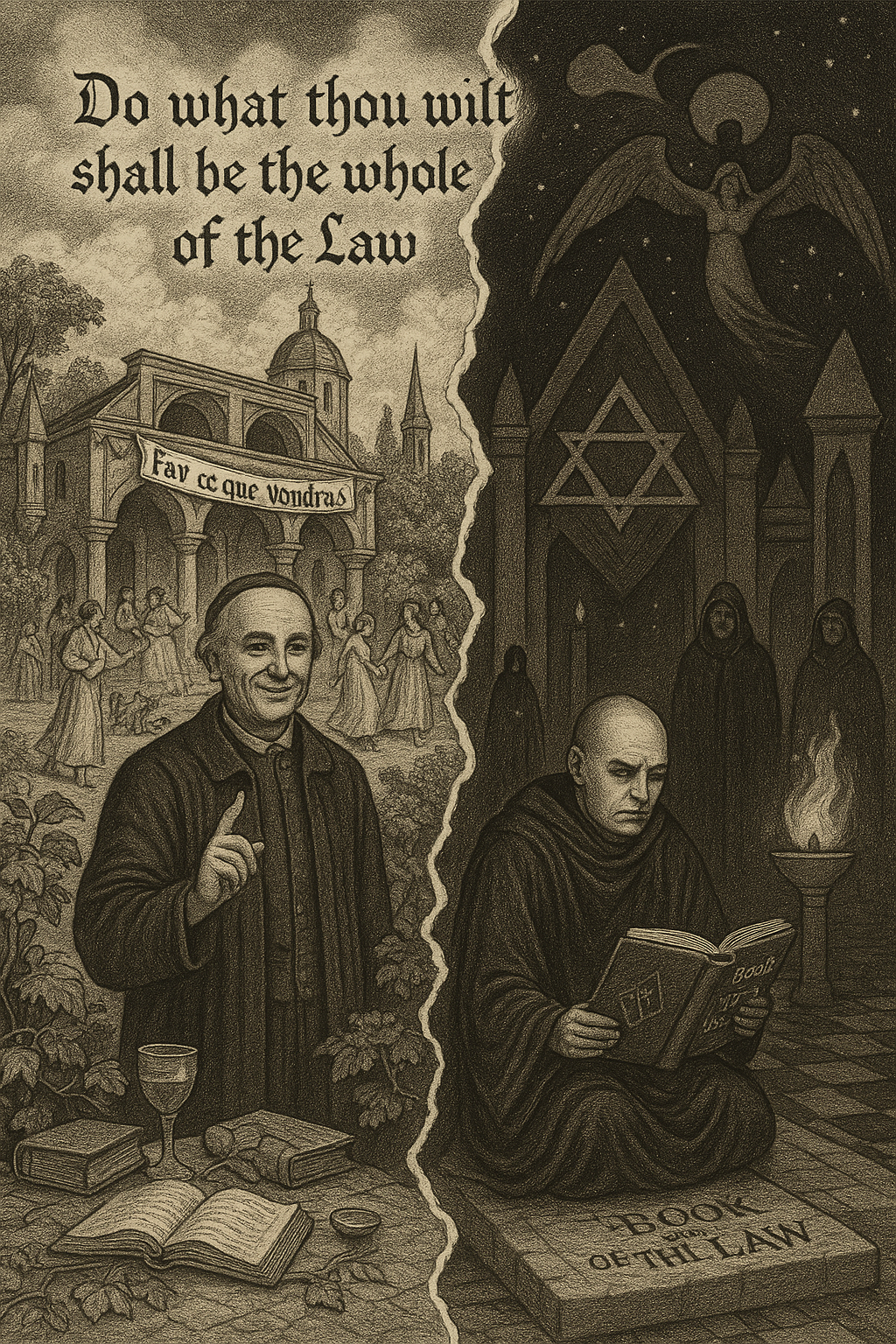
A Tale of Two Thelemas:

François Rabelais' "Do what thou wilt" was Renaissance satire mocking monastic rules and celebrating human virtue. Aleister Crowley transformed it into Thelema's sacred law of True Will—revealing a profound shift from humanist freedom to occult religion.

Comments Off on A Tale of Two Thelemas:

Hierophantic Revolution: From Golden Dawn to Thelema

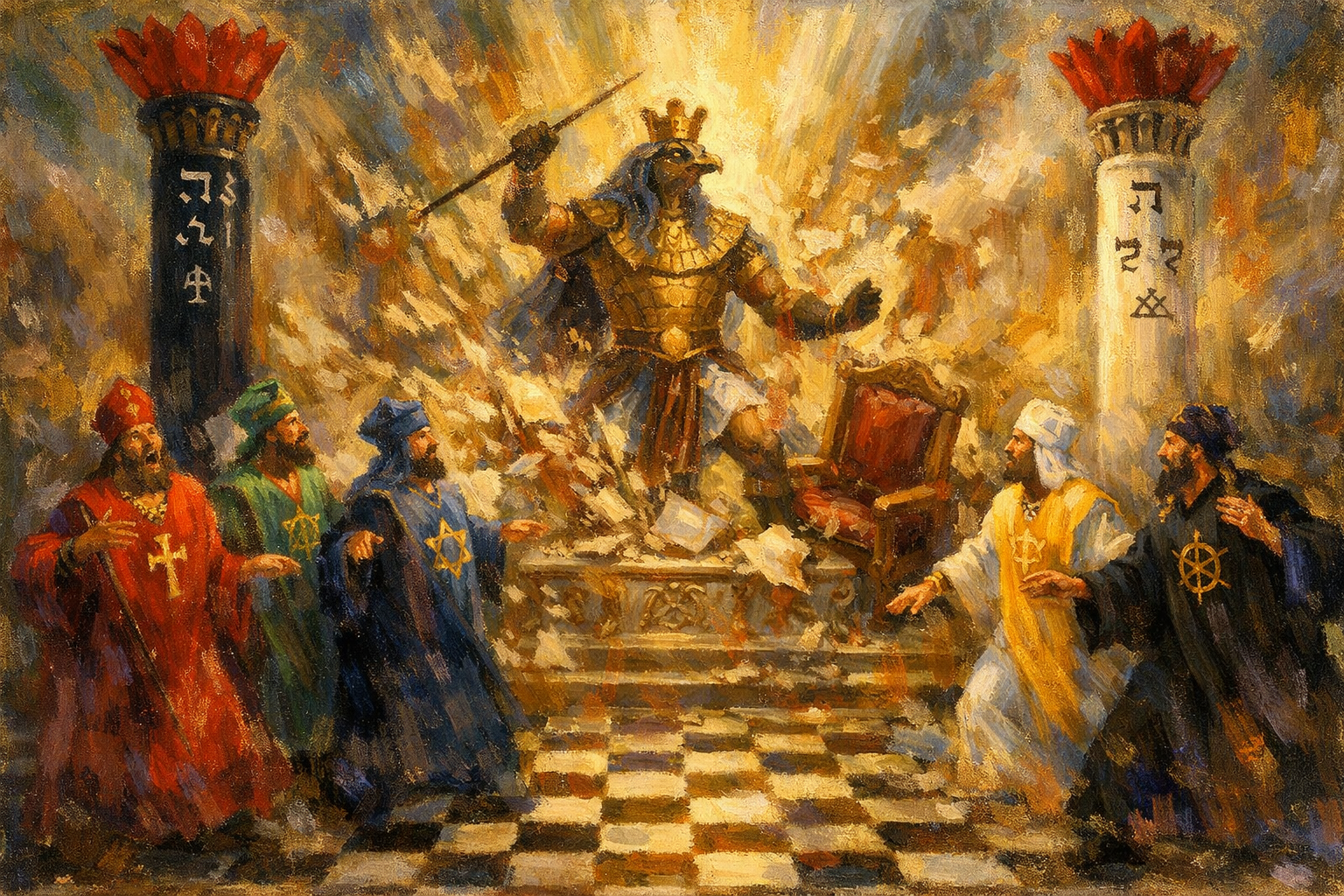
In the rigid halls of the Hermetic Order of the Golden Dawn, spiritual authority rested on secret rituals, hierarchical grades, and the Hierophant summoning external divine light in the East. But Aleister Crowley's 1904 reception of The Book of the Law ignited a radical upheaval. Nuit's declaration—“The Khabs is in the Khu, not the Khu in the Khabs”—inverted the Order's paradigm, shifting illumination from ceremonial gatekeeping to the sovereign inner star of each individual.

Comments Off on Hierophantic Revolution: From Golden Dawn to Thelema

Occulture and the Color Line: Race, Brotherhood, and the Limits of the Western Esoteric Tradition

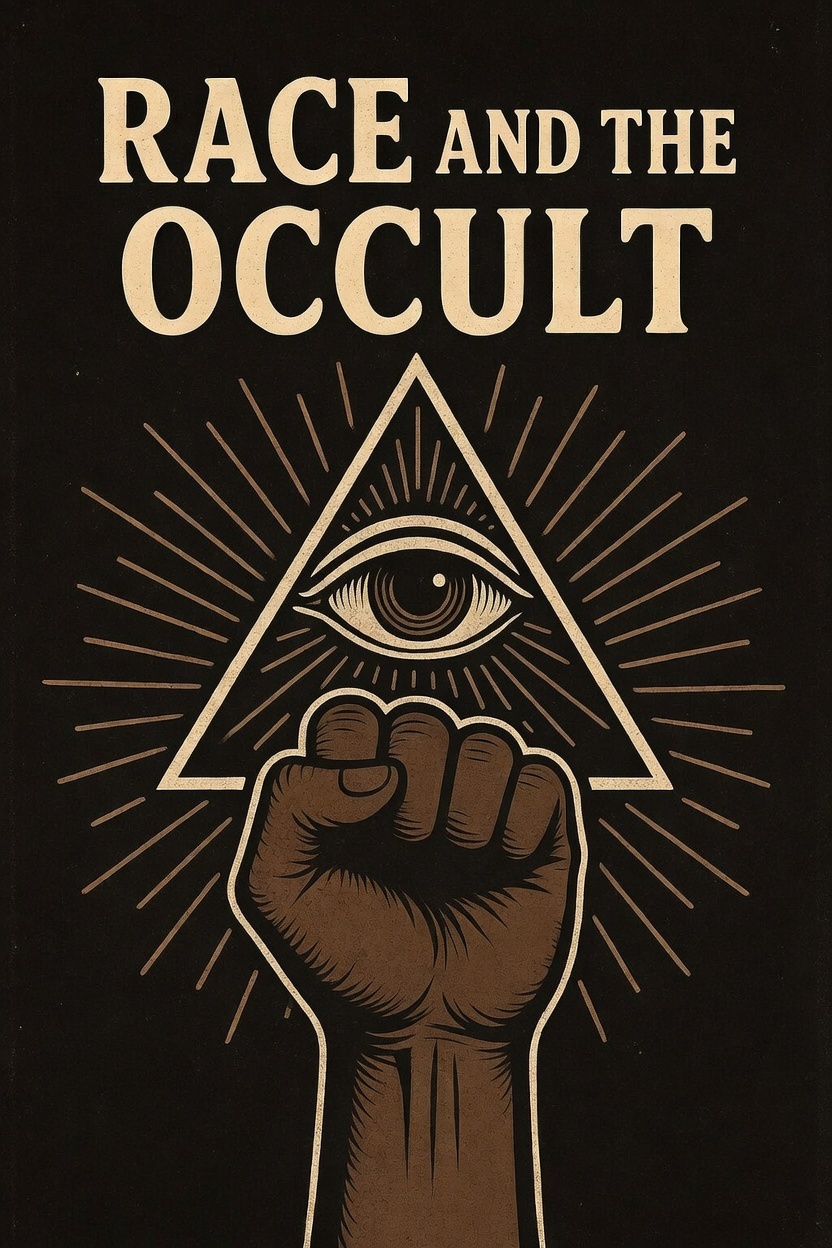
Western occult orders proclaimed universal brotherhood, yet many enshrined racial hierarchy in doctrine and practice. From Randolph’s erasure to Crowley’s paradox, the occult revival reveals a struggle between liberation and supremacy at its core.

Comments Off on Occulture and the Color Line: Race, Brotherhood, and the Limits of the Western Esoteric Tradition

Thelema and the Question of Volition

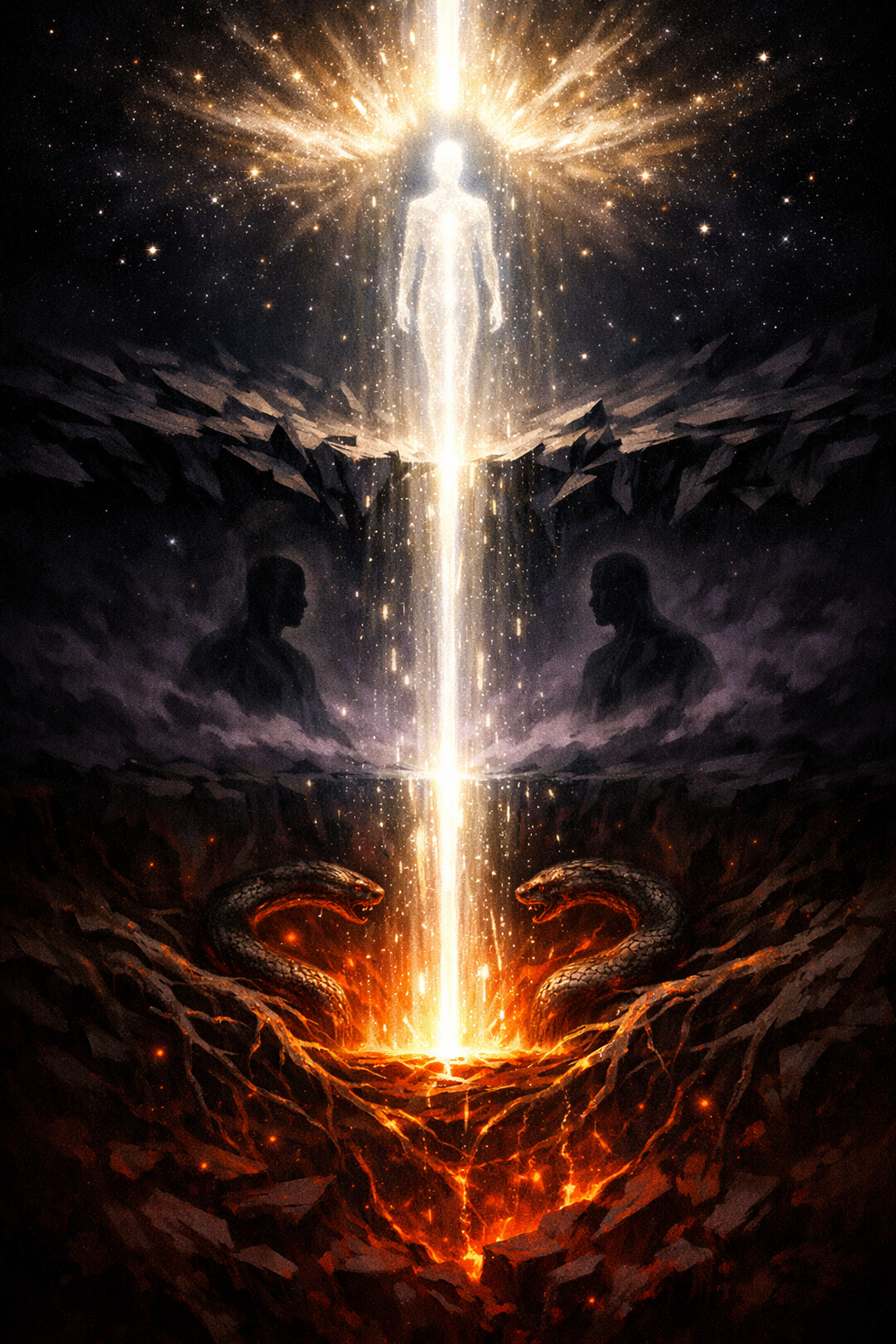
Thelema is the alignment of instinct, passion, and purpose. This article examines how True Will flows through action, dream, and how volition manifests in both spontaneous eruption and disciplined creation.

Comments Off on Thelema and the Question of Volition

When the Lévi Breaks:

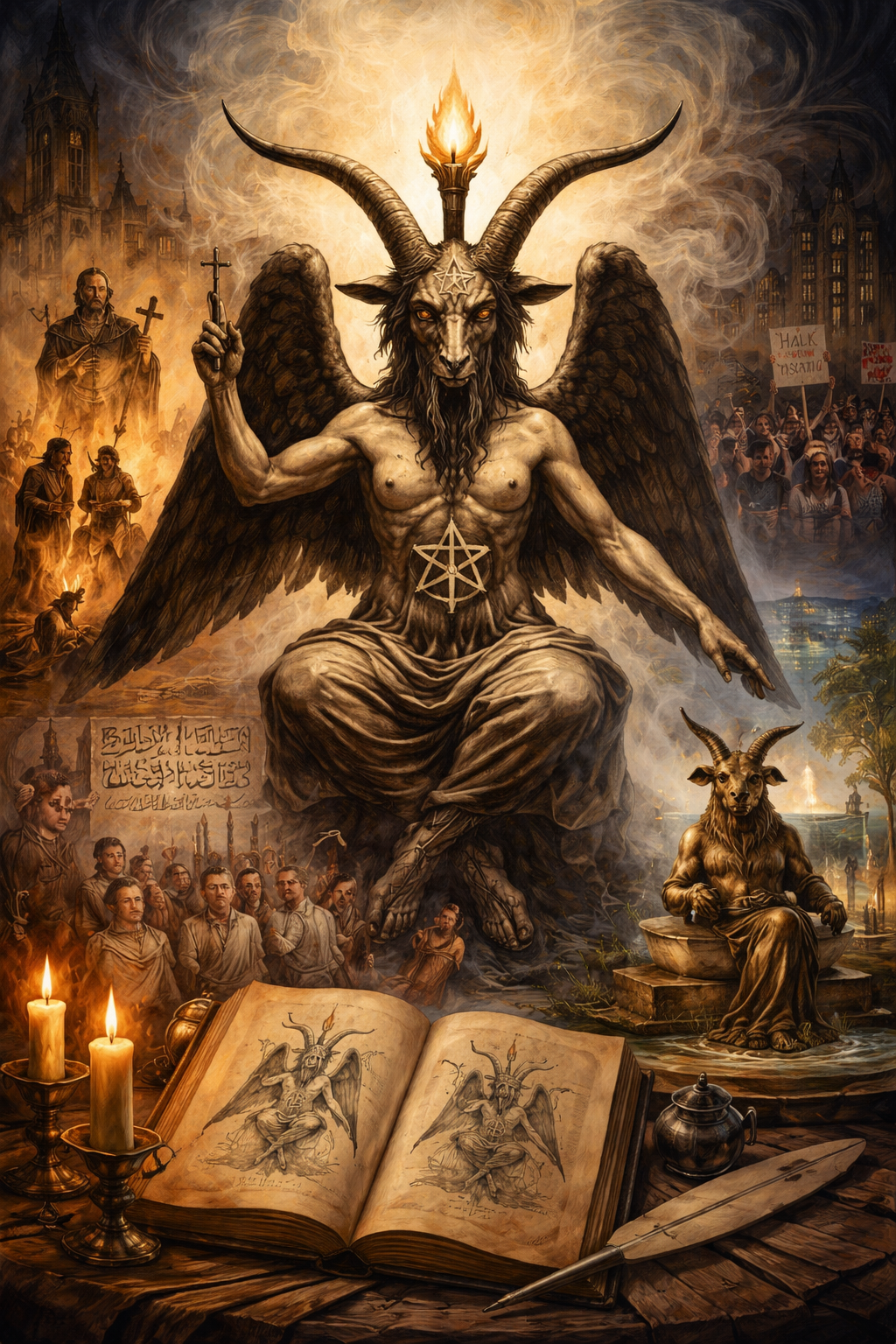
Éliphas Lévi’s Baphomet, the Sabbatic Goat, is not Satan but a profound symbol of equilibrium, the universal force mediating spirit and matter—misunderstood in modern occultism.

Comments Off on When the Lévi Breaks:

Jerusalem 70 CE: The Year the World Ended

The Book of Revelation arose from the destruction of Jerusalem in 70 CE, not a prediction of the world’s end. John of Patmos transposed the trauma of siege, famine, and fire into visionary language. Its apocalyptic imagery memorializes human grief, later misread as cosmic prophecy fueling fear and obedience.

Comments Off on Jerusalem 70 CE: The Year the World Ended